

5. The simplest way to get started with food logging
Getting started on a weight loss and calorie counting journey can feel overwhelming, especially if you have never tried doing it before. It’s easy to feel like you need to get everything right straight away. That pressure alone can be enough to stop you from starting at all. The reality is, you don’t need to change everything at once, and you don’t need to log perfectly for it to be useful.
If you’re feeling stuck or unsure what to do first, the suggestions below are designed to help you ease into food logging without the pressure.
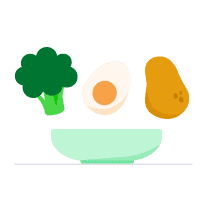
Focus on the major parts of your meals
Many meals are made of 3-5 ingredients or more. However, some of these ingredients only add a small percentage of the actual calories in the meal (e.g., condiments). If you’re finding it overwhelming to find and add every food component, start with just the main ingredients — your protein, vegetables and main carbohydrates.
For example, if you had a chicken stir-fry, you could log:
- Chicken breast
- Mixed vegetables
- Rice
And leave the sauce or small extras for now. This approach captures most of the calories in the meal and keeps logging simple. You can always add more detail later once the habit of logging your meals feels easier.
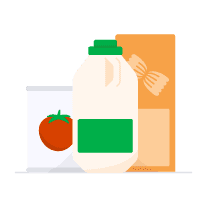
Use generic foods instead of searching for exact brands
When you search for food, you’ll see both branded products and generic options. Generic foods represent an average version of that food and are often all you need when you’re getting started.
Early on, the goal of logging isn’t to capture every exact detail; it’s to understand roughly how many calories you’re eating across the day and how different foods contribute to that total.
For most everyday foods, the calorie difference between brands is small. Spending extra time searching for the exact product rarely changes your overall daily total by much, and focusing on consistency is far more important than exact precision in the beginning.
For example:
- Log “white bread” instead of searching for a specific brand
- Log “beef mince” instead of finding the exact packet you used
- Log “milk, full fat” instead of trying to find the exact brand you ate
You can always switch to branded foods later if you want more accuracy, but starting simple helps you make progress without getting stuck.
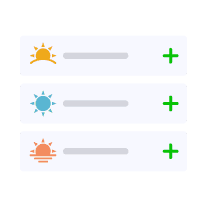
Start with your main meals and ignore snacks/drinks (for now)
While logging all of the food and drink you consume throughout the day gives you the most accurate understanding of how many calories you have consumed, logging just the main meals each day can be a good place to start.
Begin by logging just your main meals, such as:
- Breakfast
- Lunch
- Dinner
These meals usually account for most of your daily calories. Only logging your main meals can help you build the habit of food logging without feeling overwhelmed by needing to log absolutely everything you consume. Once that feels easy, you can gradually start logging snacks and drinks as well.
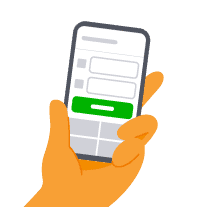
Focus on logging something, if logging everything is too hard
It’s common to not log your meals because you’re unsure about portions or exact amounts. But logging doesn’t have to be 100% precise to be useful.
If you roughly remember what you ate but not how much:
- Estimate the portion
- Choose a serving size that seems close
- Log it anyway
While not ideal in the long term, even an estimate is far more helpful than skipping the log entirely. Just going through the action of logging your food will form a habit, and you will become more proficient and accurate, with logging your food as time progresses.
You don’t need everything perfect to begin. Just start with one food to get comfortable with the process. Open your Diary in the fatsecret app, search for a food you ate today, and add it. Once you’ve logged your first item, the rest will feel much easier from there.