The Power of Sleep for Weight Loss
How not getting enough sleep can negatively impact your weight loss progress.
How Sleep Affects Weight Loss & How to Improve Your Sleep for Better Results
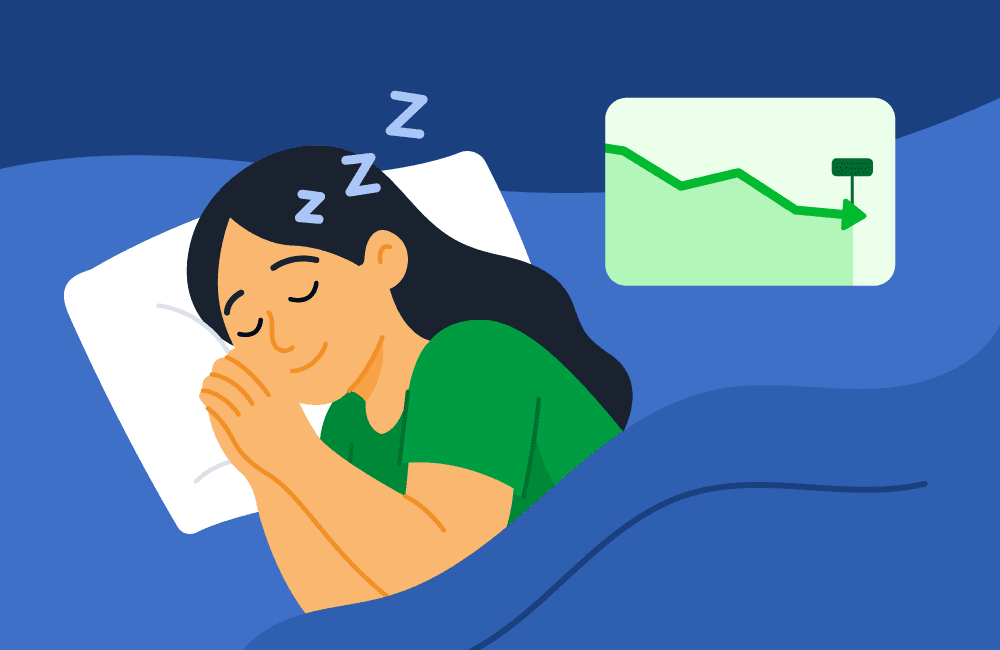
When it comes to weight loss, most people focus on diet and exercise—but did you know that sleep plays a major role too?
Studies show a strong link between poor sleep and weight gain. If you’re not getting enough rest, your hunger hormones can go out of balance, cravings for high-calorie foods can increase, and your metabolism may slow down—all of which make it harder to lose weight.
The good news? Making small adjustments to your sleep habits can support your weight loss efforts and overall well-being. Let’s explore why sleep is so important and how you can improve it to stay on track with your goals.
How Sleep Impacts Weight Loss
Getting enough quality sleep can be just as important for weight loss as diet and exercise.
Research has linked sleep deprivation to an increase in hunger hormones and a decrease in hormones that signal fullness. This hormonal imbalance can lead to overeating and cravings for high-calorie foods, contributing to weight gain and other health issues.
Additionally, lack of sleep elevates stress hormones, which can prompt us to consume more food than usual. As a result, this heightened stress often drives us towards unhealthy eating habits.
Studies show that just two consecutive nights of only four hours of sleep can disrupt the brain’s ability to recognize when you’re full, leading to increased calorie intake (1). This indicates that our body's natural sleep-wake cycle, known as the circadian rhythm, is very important for weight management. When our wake-up times and bed-times vary a lot, it can disrupt this rhythm.
How to Improve Your Sleep for Better Weight Loss Results
A good night's sleep, while seemingly simple, is often made challenging by our schedules and various lifestyle factors. Understanding healthy sleep habits and putting them into practice can significantly improve both the quality and duration of your sleep.
Here are four simple, science-backed tips to help you sleep better.
1. Go to Bed at the Same Time Every Night
Improve sleep time regularity. Your body has an internal clock that regulates your sleepiness and wakefulness. Going to bed at the same time every night can regulate this rhythm, leading to more consistent and restful sleep (2).
2. Reduce Screen Time Before Bed
Turn off all screens 1-2 hours before bed. Screen time can interfere with sleep for several reasons. Firstly, using screens before bed can take up time that you would have otherwise spent sleeping. Secondly, the mental stimulation from the content on these screens can keep your brain active and alert, delaying your ability to wind down for sleep. Lastly, the light exposure from screens, especially blue light, can trick your brain into thinking it's still daytime, increasing your alertness and making it harder to fall asleep (4). If switching off your screens 1-2 hours before bed isn’t realistic for you, start by trying to avoid screen-time being the last thing you do before sleeping.
3. Limit Caffeine in the Evening
Caffeine is a stimulant that disrupts your sleep-wake cycle and can keep you awake longer than you realize (3). Try to avoid caffeine at least 6 hours before bedtime. If you enjoy warm drinks at night, opt for herbal tea or a sugar-free hot chocolate instead.
4. Exercise Regularly
Regular exercise has been shown to improve both sleep quality and duration and a reduced time spent trying to fall asleep. Studies show these improvements regardless of the type or intensity of the exercise (2).
If you’ve been eating well and exercising but not seeing results, your sleep habits could be holding you back. By setting a consistent bedtime, reducing screen time, limiting caffeine, and exercising regularly, you can improve your sleep and support your weight loss journey.
References
- The association between sleep health and weight change during a 12-month behavioral weight loss intervention, 2021. 10.1038/s41366-020-00728-8
- The Role of Sleep Hygiene in Promoting Public Health: A Review of Empirical Evidence, 2014. doi: 10.1016/j.smrv.2014.10.001
- Nutritional Elements in Sleep, 2022. doi: 10.7759/cureus.32803
- Youth screen media habits and sleep: sleep-friendly screen-behavior recommendations for clinicians, educators, and parents, 2018. doi: 10.1016/j.chc.2017.11.014
Related Articles
You Might Also Like
Curated content to explore this topic further