What to Do (and Not Do) After a High-Calorie Day
Learn how to get back on track after a higher-calorie day, without restriction.
What to Do (and Not Do) After a High-Calorie Day
When trying to lose weight, some days don’t go as planned. You might enjoy a big meal out, graze all afternoon at a family event, or simply find yourself hungrier than usual and realize you’ve gone over your calories. This might leave you feeling frustrated in that moment, and you might even start thinking you’ve failed.
Suddenly, thoughts like “I’ve ruined it,” “I’ll start again tomorrow,” or “I need to make up for this” can begin to creep in.
It’s a feeling familiar to many people. But what’s important to remember is that a day like this doesn’t mean you’ve messed everything up, and it doesn’t have to throw you off track. What matters most is how you respond next.
Let’s talk about why these moments happen and what actually helps you move forward.
Why The “Start Again Tomorrow” Mindset Doesn’t Help
When you’ve had a high-calorie day, it’s easy to think “I’ll just start again tomorrow” or “I’ll make up for it by skipping dinner or doing an intense workout”. This might feel like a way to have a fresh start or undo the extra calories. However, this mindset tends to push you further away from the routine, rather than bringing you back to it.
A helpful way to think about it is like the habit of brushing your teeth. If you accidentally fall asleep without brushing one night, you wouldn’t wake up and think, “Oh well, I’ve ruined it now. I may as well skip the rest of the week.” You also wouldn’t brush your teeth twice as hard the next morning to make up for it. You’d just brush your teeth and move on.
Food works in the same way. One higher-calorie day doesn’t undo your progress, and you don’t need to try to “undo” it. What matters most isn’t perfection but how consistently you return to your routine.
What Not to Do After a High-Calorie Day
After a high-calorie meal or day, it’s really common to feel the urge to fix it. This reaction comes from a place of wanting to get back in control, and there’s nothing wrong with that. However, certain reactions, even though they feel productive in the moment, can end up making things feel harder. Here are some things to try to avoid if you happen to deviate from your plan.
Don’t punish yourself with restriction or extra exercise
It can feel tempting to try to “balance” things out by eating very little the next day or pushing yourself to exercise more than usual. The problem is that this approach can leave you feeling hungrier, more tired, and more focused on food, which increases the chance of overeating again later.
Don’t skip meals to “compensate”
Skipping breakfast or lunch might seem like a quick fix, but it often backfires. Going too long without eating often means you show up to your next meal feeling starving, and when you’re overly hungry, it’s much harder to feel in control around food. Most people end up eating quickly, choosing whatever is easiest, or feeling like they can’t stop once they start.
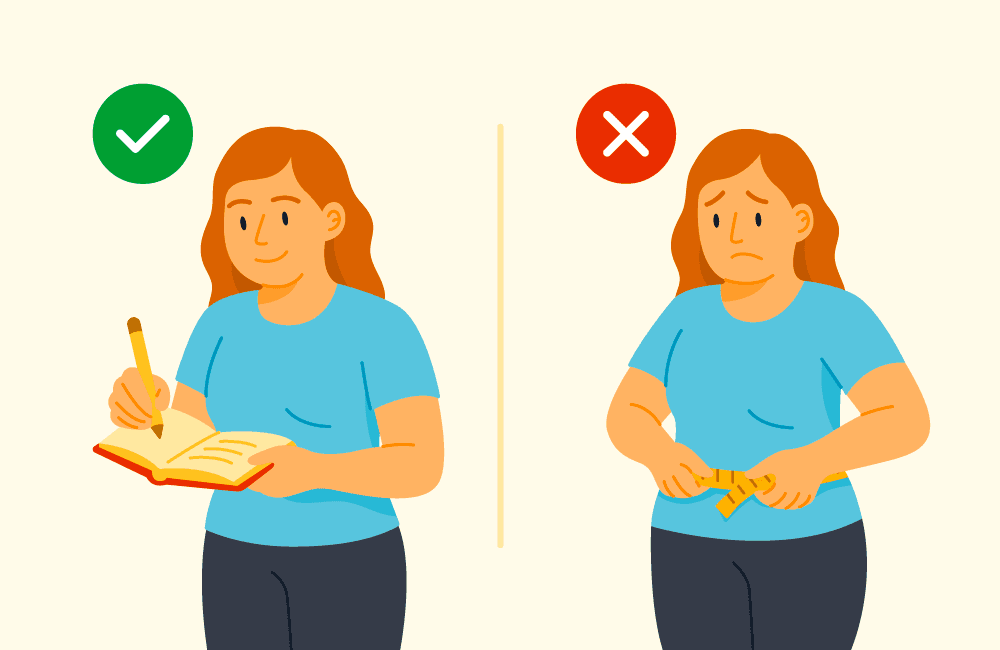
Don’t label the day as a failure
It's really easy to look at a higher-calorie day and think, “I messed up.” But one day doesn't undo your progress, and treating it like it does usually just makes you feel worse and more likely to spiral. Instead of seeing the day as good or bad, try looking at it with curiosity. What was going on? Were you extra hungry because you skipped a meal? Was it a social thing? Stress? Boredom or distracted eating? Understanding what led to it is far more helpful than beating yourself up.
What to Do Instead
The most effective response, even though it feels almost too simple, is to go back to your usual routine, and not a stricter version of it. Here are some things that can help you feel back on track without slipping into extremes.
Eat your next meal as you normally would
It’s natural to feel like you should “cut back” after a high-calorie day, but this usually makes things harder in the long run. Eating your next meal at your usual time helps your body settle back into its normal routine. If you can, choose foods that keep you satisfied, something with protein, some fibre, and carbs that don’t leave you hungrier later. Bringing things back to what usually works is what actually helps you feel steadier again.
Bring your focus back to the bigger picture
Weight loss isn’t determined by one day. It comes from what you do most of the time. Even if one day is higher in calories, it rarely erases the days where you ate closer to your target. Most people are still in a weekly deficit, even with an unplanned meal or event included. What slows progress more than the food itself is the spiral that can happen when you convince yourself you’ve “ruined it” and check out altogether. A much more realistic and helpful mindset is reminding yourself, “This was one day in a bigger pattern. I can get right back to what works for me.” That consistency, not perfection, is what creates results.
Key Takeaways
- One higher-calorie day doesn’t undo your progress. What matters most is how you respond.
- Avoid “starting again tomorrow.” Getting back to your normal routine at the next meal prevents one day from snowballing into more.
- Don’t try to “make up for it.” Skipping meals, restricting, or over-exercising often leads to more hunger and overeating later.
- Stick to what normally works for you. Eat regular meals with protein and fibre, hydrate, move your body gently, and carry on.
- Think in weeks, not days. Weight loss comes from consistent habits over time. You can still be in a deficit overall even if one day is higher.
Related Articles
You Might Also Like
Curated content to explore this topic further