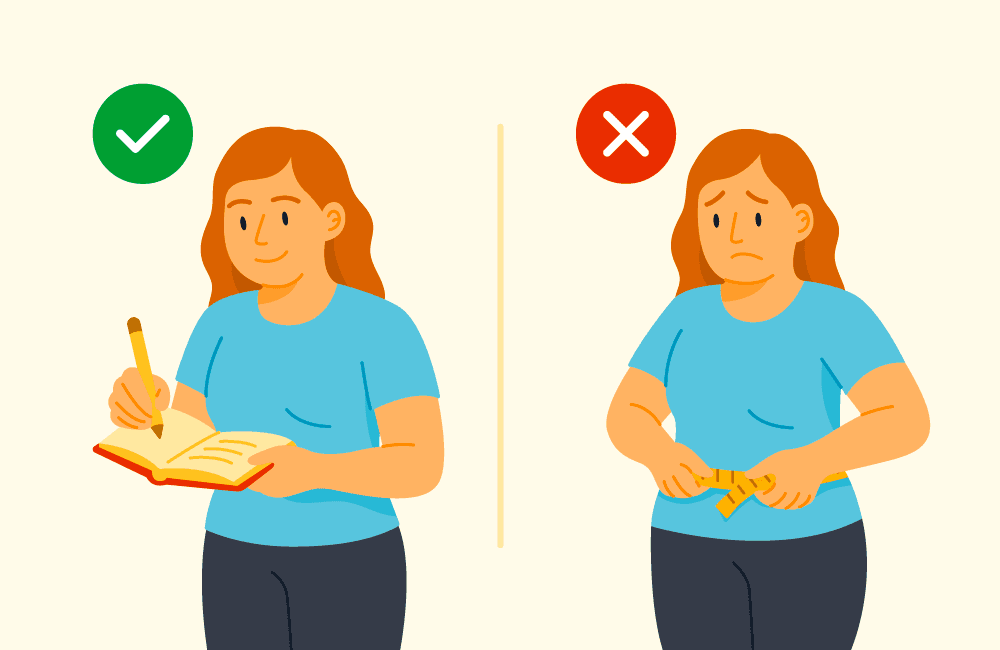
How to Stay Motivated on Your Weight Loss Journey
Discover why motivation feels so fleeting and how to make progress that lasts.
Why Motivation Fades and What You Can Do About It
If you’re struggling to stay motivated while trying to lose weight, you’re not alone. In a recent fatsecret survey, over 52% of respondents said that a lack of motivation was one of their biggest barriers to reaching their weight loss goals.
Motivation can feel unpredictable. Some days you’re highly motivated, while other days, it’s a struggle to stay on track. The problem is that motivation isn’t supposed to be constant. It naturally comes and goes, which is why if you rely solely on feeling motivated, it’s easy to fall off track.
So, instead of waiting for motivation to show up, let’s look at why it fades and how you can continue making progress without relying on it.
Why Does Motivation Fade So Quickly?
A big reason why we struggle to find motivation is because of how our brains prioritise rewards. We are naturally drawn to things that feel good in the moment, like sitting on the couch after a long day, rather than actions that take time to show results.
This concept is called delayed discounting, which means we tend to place a higher value on rewards that arrive quickly than those that take time. This can be problematic when trying to lose weight, because results don’t show up instantly. You can make healthy choices for days or even weeks before anything noticeable changes. During that time, motivation can dip as the brain struggles to stay excited about something it can’t experience yet.
Motivation is also closely tied to external factors, like progress on the scale or positive feedback from others. These things can boost motivation temporarily, but they’re not constant. When initial excitement wears off or tangible progress doesn’t appear, it’s easy to feel unmotivated to continue.
This doesn’t mean your weight loss goals stop mattering to you, it’s just that your brain needs more to stay motivated to keep working towards them.
How to Stay Motivated on Your Weight Loss Journey
Feeling motivated at the start of a weight loss journey is usually the easy part. But after a little while, motivation naturally changes. Instead of waiting for it to magically come back, it helps to find ways to keep on going without relying on motivation alone. Here’s how:
1. Find Your Reason Why
Think about setting a goal like, “I want to save more money.” It sounds good, but it doesn’t really drive action. When you determine why you want to save, maybe for a holiday, a house deposit, or to feel less stressed about bills, it suddenly feels more important and far easier to prioritise.
Weight loss works the same way. Setting weight loss goals that are truly meaningful to you is key to helping you achieve them. When your goals connect with what truly matters in your life, they become easier to prioritise, even when your motivation is low.
Start with the surface-level goal, like “I want to lose weight,” and keep asking yourself “why” until you uncover something deeper. This might feel repetitive, but that’s how you get past the general answers and into the ones that actually motivate you.
For example: “I want to lose weight.” Why? “Because I don’t feel good in my clothes.” Why? “Because I’ve been avoiding events and photos.” Why? “Because I want to feel confident and present in my life again.”
This deeper “why” is what you come back to when you’re tired, stressed, or tempted to give up. It makes the effort feel worth it and your goal much more likely to last.
2. Build Habits So You’re Not Relying Only on Motivation
A big part of weight loss isn’t motivation, it’s habits. Motivation comes and goes, but habits are what carry you through on the days when you’re tired, stressed, or just not in the mood. Think about something you do automatically, like brushing your teeth. You don’t wake up motivated to do it, and you do it because it’s part of your routine. No decision required or internal debate about whether or not you’ll do it.
Habits form through small actions repeated often, not big efforts done occasionally. When behaviors like logging your food or taking a short walk after work become part of your normal routine, they stop feeling like a huge effort that requires motivation. You don’t have to talk yourself into them. You don’t have to wait for motivation to strike. They just happen — and that consistency is what moves the scale over time.
This takes patience, but the more you practice simple habits, the more they become automatic.
3. Find Ways to Enjoy the Process
One of the biggest reasons motivation disappears is that weight loss starts to feel like hard work with not much reward in return. If every choice feels like a sacrifice, like eating less of what you enjoy, exercising when you’d rather rest, saying no more than yes, it’s understandable that motivation to continue disappears. When the experience isn’t enjoyable in any way, motivation naturally disappears, so it’s helpful to find parts of the journey you can look forward to.
It might simply be cooking foods you genuinely like rather than forcing options you hate or saving your favorite podcasts to listen to while you exercise. When something about your routine feels enjoyable or rewarding, it becomes easier to show up again tomorrow. That consistency is what keeps you moving toward weight loss, even on the low-motivation days.
Motivation will always have its ups and downs, that’s a normal part of weight loss. What matters most is having simple, realistic habits you can fall back on when motivation isn’t there. Keep showing up in small ways and remind yourself regularly why this matters to you.
Related Articles
You Might Also Like
Curated content to explore this topic further