Is Sourdough a Better Bread Choice for Weight Loss?
Wondering if sourdough is better for weight loss? Learn how it compares with regular bread and what to look for when choosing a loaf.
Is Sourdough Bread Good for Weight Loss?
Sourdough has earned a reputation as the “healthier” bread. It’s often promoted as being better for digestion, blood sugar and even weight loss.
But if your goal is to lose weight, is sourdough actually better than regular bread?
Traditional sourdough does have some unique characteristics thanks to the fermentation process used to make it. However, when it comes to weight loss, whether your bread is sourdough may matter less than you think.
What Makes Sourdough Different From Regular Bread?
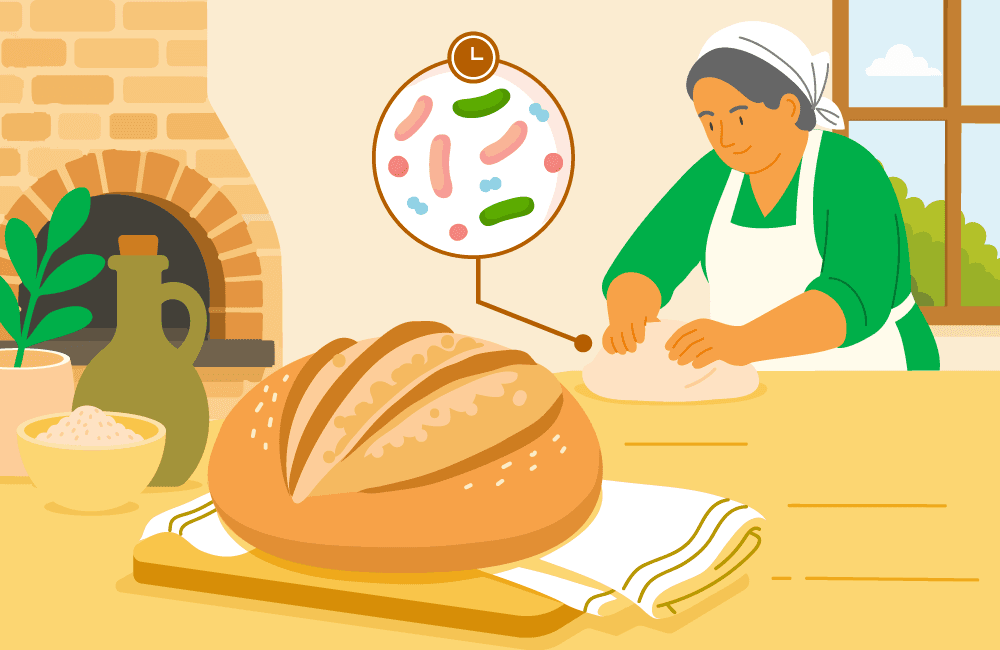
Unlike most commercially produced breads, traditional sourdough is made using a fermented starter containing naturally occurring yeasts and bacteria. The dough is left to ferment before baking, which gives sourdough its distinctive tangy flavour and chewy texture.
This fermentation process can also change some of the nutritional properties of the bread.
Research suggests sourdough fermentation may influence the blood glucose response after eating and improve the availability of some nutrients. Some studies have also reported differences in digestive comfort, although the benefits can vary considerably depending on the type of flour, starter and fermentation process used.
These can all be good reasons to enjoy sourdough, but they don’t necessarily mean it will help you lose more weight than another type of bread.
Not All Sourdough Is Created Equal
It’s also worth knowing that breads labelled “sourdough” can be made in very different ways.
Traditional sourdough relies on a sourdough starter and fermentation to help the dough rise. Some commercially produced breads may use additional yeast or other ingredients to speed up production.
If traditional sourdough is what you’re looking for, check the ingredients list and how the bread is described. A simple traditional loaf will often contain ingredients such as flour, water, salt and sourdough starter.
Is Sourdough Better for Weight Loss?
There’s currently no strong evidence that simply swapping regular bread for sourdough will cause you to lose weight.
Weight loss ultimately requires you to consume fewer calories than your body uses over time, and sourdough still contributes calories just like other breads.
Where bread choice may help is in how satisfying you find it.
Choosing foods that help you feel satisfied can make it easier to manage hunger and stick to an appropriate calorie intake over the course of the day. Rather than focusing only on whether a bread says “sourdough” on the label, consider its overall nutritional profile and how well it keeps you satisfied.
Is Sourdough Lower in Calories Than Regular Bread?
Not necessarily.
Sourdough and other breads can have a similar calorie content, although the exact amount varies between products, recipes and serving sizes.
One thing that can make comparisons tricky is slice size. A large, thick slice of bakery sourdough may weigh considerably more than a standard slice of packaged bread, so comparing calories “per slice” doesn't always give you the full picture.
If you’re tracking your calorie intake, check the serving size and nutrition information on the specific bread you’re eating. You can also weigh your slice and log it in FatSecret for a more accurate picture of how it fits into your day.
For Weight Loss, Look Beyond the Sourdough Label
If weight loss is your goal, one useful thing to look for in bread is its fibre and wholegrain content.
Wholegrain foods contain all parts of the grain and generally provide more fibre than breads made primarily with refined flour. Research suggests wholegrain foods may help improve feelings of fullness compared with refined-grain foods.
That can be helpful during weight loss because a satisfying meal may make it easier to manage hunger between meals.
So, a refined white sourdough isn't automatically a better weight-loss choice simply because it’s sourdough. If you enjoy sourdough, a wholegrain or wholemeal sourdough can be a great way to get the flavour and fermentation you enjoy alongside the benefits of whole grains and additional fibre.
How to Choose Bread for Weight Loss
With so many options on the shelf, it’s easy to get caught up in labels like “artisan”, “traditional”, “multigrain” or “sourdough”. Instead, turn the packet around and look at what you're actually getting.
1. Look for Whole Grains
Choose wholegrain or wholemeal varieties where possible. Don't assume a dark-coloured loaf or one labelled “multigrain” is necessarily wholegrain — checking the ingredients list can give you a better idea of what the bread is actually made from.
2. Compare the Fibre
Use the nutrition information panel to compare the fibre content of similar breads. A higher-fibre option may be more satisfying and can also help you meet your overall daily fibre needs.
3. Check Your Serving Size
Two breads can look similar nutritionally per 100 g but have very different-sized slices.
If you’re tracking calories, check what the listed serving actually represents. Logging your bread in FatSecret can help you compare different options and see how your usual serving fits into your calorie target.
4. Think About What You Put on It
The bread itself is only one part of the meal.
Pairing bread with a source of protein and other nutrient-rich foods can turn it into a more balanced and satisfying meal. Think eggs and vegetables on toast, cottage cheese with tomato, or peanut butter with banana.
And remember that spreads and toppings count too. Butter, avocado, cheese, nut butter and other toppings can all be part of a balanced diet, but portions can make a big difference to the total calories in your meal.
5. Choose a Bread You Actually Enjoy
There’s little benefit in forcing yourself to eat a bread you don't like just because it seems like the “healthiest” option.
If you love sourdough, enjoy sourdough. If you prefer another wholegrain bread, that can be a great choice too.
Finding foods that are nutritious, satisfying and enjoyable is far more useful for sustainable weight loss than searching for one perfect type of bread.
So, Is Sourdough Good for Weight Loss?
Sourdough can absolutely be part of a healthy weight-loss diet, but it isn't a magic weight-loss food.
Traditional fermentation may offer some nutritional benefits, but simply swapping regular bread for sourdough is unlikely to make a meaningful difference to your weight on its own.
Instead, look at the bigger picture. Choose a bread that provides whole grains and fibre, pay attention to your portion and toppings, and consider how well your meal keeps you satisfied.
And if sourdough happens to be the bread you love most? There’s no reason you can’t keep enjoying it while working towards your weight-loss goals.
Related Articles
You Might Also Like
Curated content to explore this topic further