Can Your Gut Health Affect Your Appetite?
Discover how your gut microbiome influences appetite, fullness and weight loss, plus simple ways to improve gut health with high-fiber foods.
Could Your Gut Health Be Making Weight Loss Harder?
Have you ever wondered why some days you feel hungry all the time, while on other days, you're satisfied after your meals? While factors like sleep, stress and the types of food you eat all play a role, researchers are discovering another surprising influence on your hunger levels: your gut health.
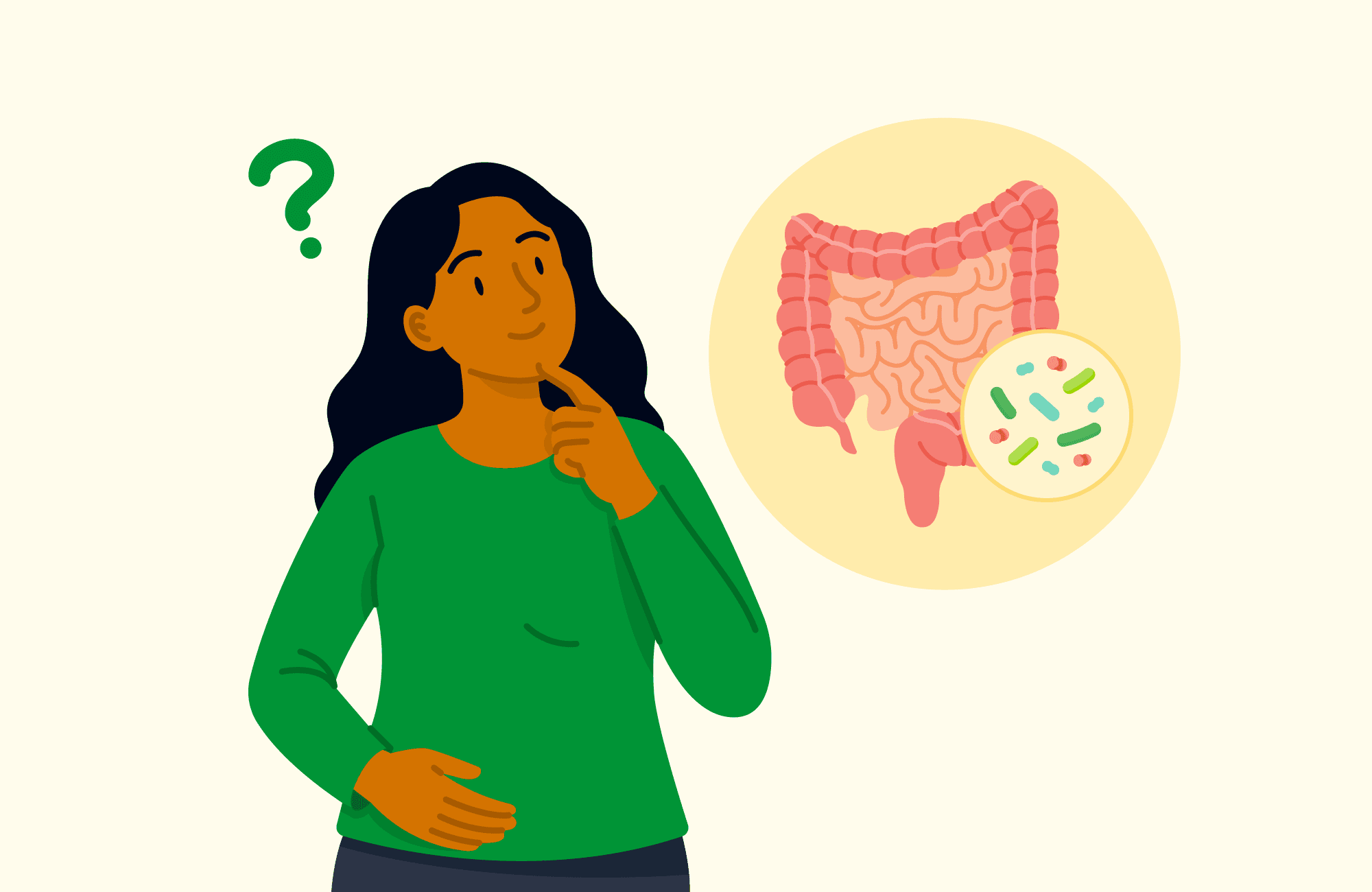
Your digestive system is home to trillions of bacteria, fungi and other microorganisms, collectively known as your gut microbiome. These tiny organisms do much more than help digest your food. They constantly communicate with your brain and may influence when you feel hungry, how satisfied you feel after eating and even the foods you crave.
A recent scientific review examined how the gut microbiome affects appetite regulation (1). While scientists are still uncovering exactly how this relationship works, one message is already becoming clear: looking after your gut may also help support your body's natural appetite signals, which in turn makes it easier to follow a diet for weight loss.
How Does the Gut Microbiome Influence Hunger?
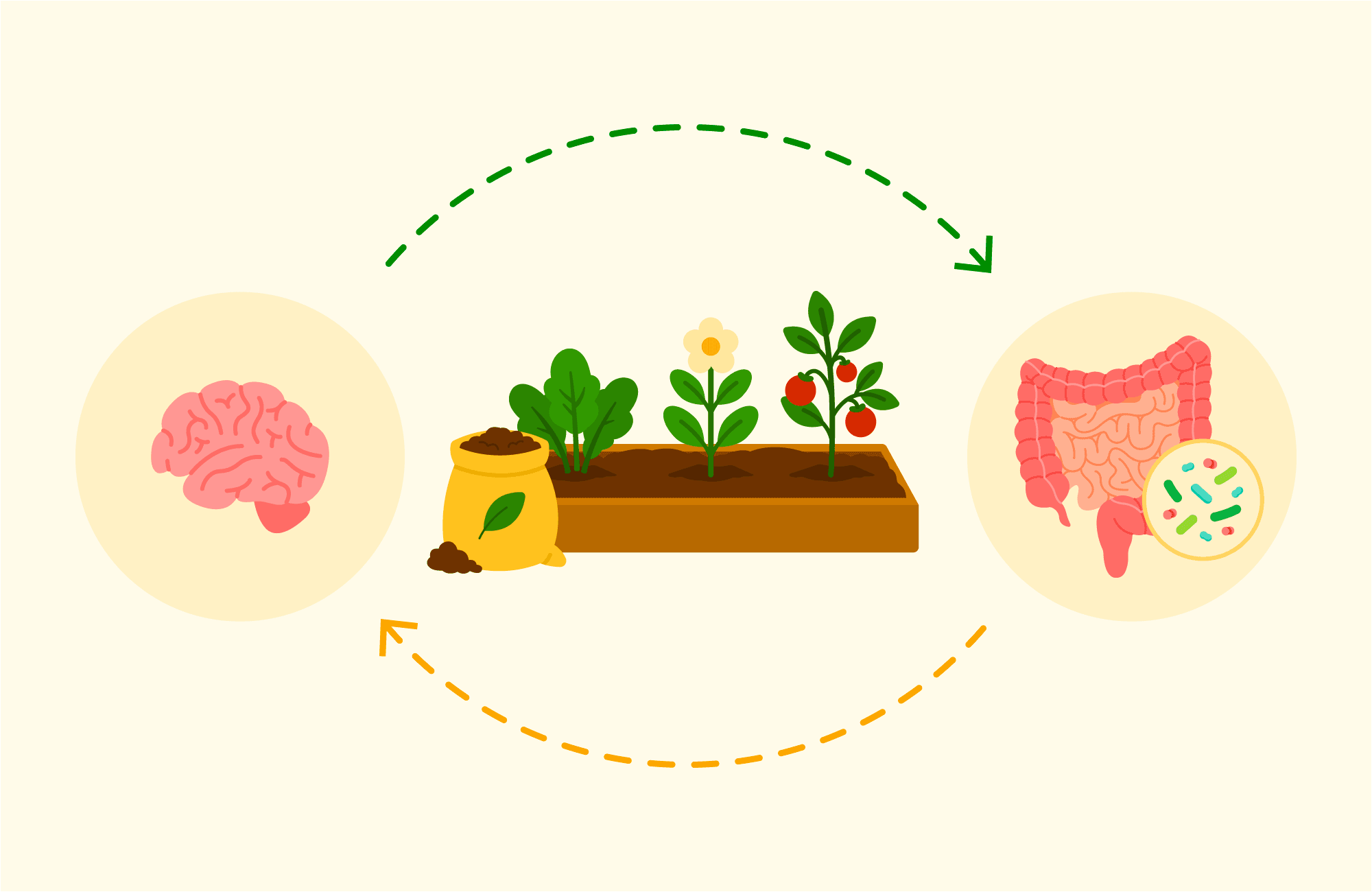
Your digestive system and brain are connected through what researchers call the gut-brain axis. This two-way communication network allows your gut and brain to constantly exchange information, helping regulate digestion, mood and appetite.
As beneficial gut bacteria digest fiber rich foods, they produce compounds called short-chain fatty acids (SCFAs). These compounds stimulate specialized cells in the gut to release satiety hormones involved in appetite regulation, including GLP-1 and PYY. These hormones travel through the bloodstream and communicate with the brain via the gut-brain axis. They help you feel full for longer after eating, slow stomach emptying and tell your brain “you’ve had enough, you can stop eating”.
What You Eat Feeds Your Gut Bacteria
One of the most interesting findings in the latest research is that your gut bacteria are highly responsive to your diet.
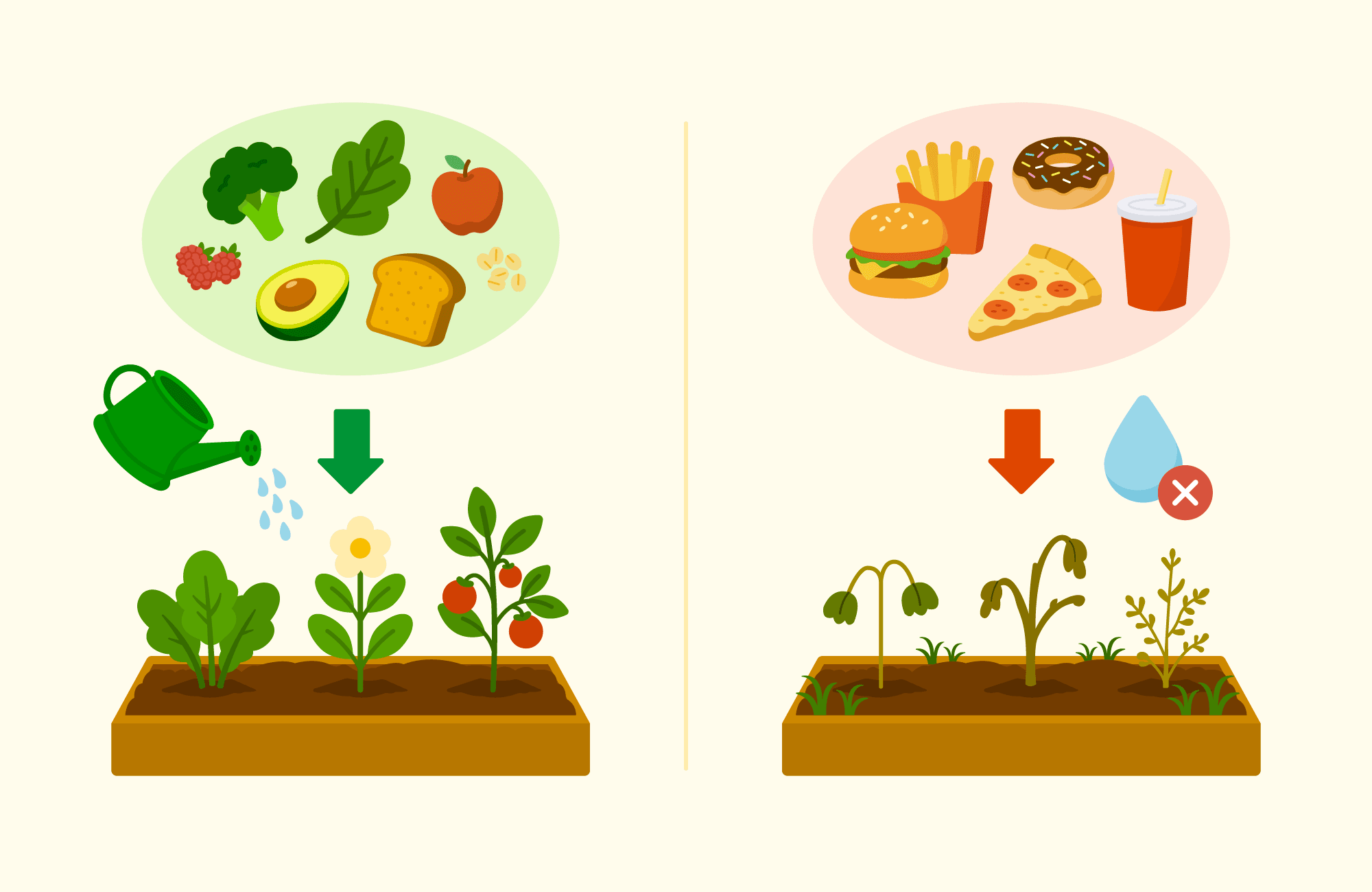
One way to think about your gut microbiome is like a garden filled with trillions of different beneficial gut bacteria, which all play varied and specific roles in the functioning of the body. Just like different plants need the right nutrients to thrive, different gut bacteria rely on different types of dietary fiber as their main food source. When you regularly eat fiber rich foods such as vegetables, fruit, legumes and wholegrains, you are fertilizing your microbiome garden and helping these beneficial bacteria flourish.
On the other hand, when you stop fertilizing your gut microbiome garden and swap fiber-rich whole foods for highly processed foods, your gut bacteria garden starts to struggle. The beneficial plants die back, and weeds (less helpful bacteria) move in, and the gut bacteria garden becomes less effective at producing the compounds that send those fullness and appetite signals back to the brain (2).
The good news is that, just like a garden, your gut microbiome responds quickly to how you care for it. Research shows that even a single dietary swap, like choosing high-fiber bread over white, can begin shifting the bacterial balance within weeks (3).
Does This Mean I Need a Probiotic?
Not necessarily. Despite the growing popularity of probiotic supplements, the review found there isn't enough evidence to recommend a single probiotic strain for appetite control.
Instead, researchers suggest that the greatest influence on your gut microbiome comes from your everyday eating habits. A varied, high-fiber diet appears to have a much bigger impact than relying on a supplement alone. Your gut bacteria garden is filled with millions of different healthy bacteria, all of which have a preference for different sources of fiber. So a diet that has a variety of high-fiber foods leads to a garden with a variety of different, healthy bacteria.
Simple Ways to Improve Your Gut Health
Supporting your gut health doesn't require an expensive supplement or a complicated diet. Eating a variety of high-fiber foods helps nourish the beneficial bacteria in your gut, supporting your body's natural appetite regulation and helping you feel fuller for longer after meals.
Try to:
- Include vegetables with most meals.
- Swap to wholegrain bread, cereals, rice and pasta.
- Add legumes such as beans, chickpeas or lentils to soups, salads and casseroles.
- Snack on fruit, nuts or seeds instead of highly processed snacks.
- Aim to eat a wide variety of plant foods each week to support a diverse gut microbiome.
- Gradually increase your daily fiber intake while drinking plenty of water to help minimize digestive discomfort.
Adults are generally recommended to consume 25–35 g of dietary fibre per day, yet most people fall short of this target. If you're unsure how much fibre you're eating, try tracking your food for a few days using the fatsecret app. This can help you identify your main sources of fibre and simple opportunities to include more high-fibre foods in your diet.
The Bottom Line
Your appetite isn't controlled by willpower alone. It's influenced by a complex network of hormones, your brain, your lifestyle and, increasingly, we now know, your gut microbiome.
The current research suggests that eating a varied, fiber-rich diet may help support the beneficial bacteria that contribute to healthy appetite regulation.
References
- The effects of gut microbiota on appetite regulation and the underlying mechanisms (2024). doi: 10.1080/19490976.2024.2414796
- The Detrimental Impact of Ultra-Processed Foods on the Human Gut Microbiome and Gut Barrier. Nutrients (2025). doi: 10.3390/nu17050859
- Swapping White for High-Fibre Bread Increases Faecal Abundance of Short-Chain Fatty Acid-Producing Bacteria and Microbiome Diversity (2024). doi: 10.3390/nu16070989.
Related Articles
You Might Also Like
Curated content to explore this topic further