How Stress Could Be Impacting Your Weight
The link between stress and weight gain and strategies for managing stress.
Stress: The Hidden Barrier to Achieving Your Weight Goals
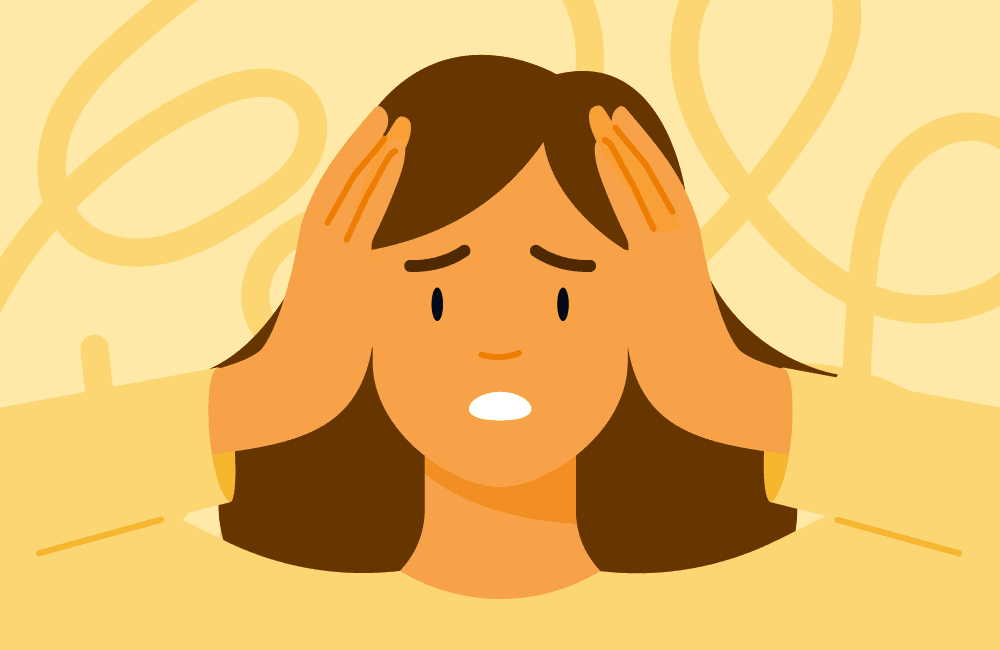
Stress is an inevitable part of life that affects us in various ways. Unsurprisingly, stress can also have a big impact on weight management. Whether it’s work related stress, personal responsibilities, or everyday challenges, stress doesn’t just affect your mood, but it also influences your eating habits, metabolism, sleep, and overall lifestyle choices.
If you’ve been struggling with weight management, understanding the complex relationship between stress and weight is crucial for developing effective strategies to manage it, so it doesn’t get in the way of your goals. Let’s break down the connection between stress and weight, and how you can prevent it from getting in the way of your progress.
1. Stress Changes Your Food Choices
Have you noticed that when you’re feeling stressed or overwhelmed, you find yourself reaching for sweets, fast food, or salty snacks? Research indicates that people experiencing stress tend to gravitate towards calorie-rich foods rich in sugars and fats. These "comfort foods" can momentarily reduce negative emotions associated with stress, however, consistently indulging in these types of foods can negatively affect your weight and overall health over time. Instead of reaching for processed foods, try keeping healthier alternatives on hand. Nuts, Greek yogurt, or dark chocolate can provide satisfaction without excessive sugar or unhealthy fats.
2. Stress Affects Self-Control & Decision-Making
Stress not only alters your food preferences, but it can also interfere with your decision-making and self-regulation.
When stressed, your brain is more likely to:
- Make impulsive food choices instead of planned, balanced meals.
- Skip meal prep or healthy cooking in favor of quick, less nutritious options.
- Feel too overwhelmed to stick to a meal plan or track your intake.
If stress is making it harder to plan meals, start small and simple. Have a go-to list of easy, balanced meals that don’t require much effort, like protein-rich snacks, pre-cut vegetables, or ready-to-eat salads. Pre-logging meals in the fatsecret app meal planner can also help prevent last-minute decisions that don’t align with your goals.
3. Stress Disrupts Sleep & Increases Cravings
Stress often leads to a reduction in sleep quality and duration, as well as a decrease in physical activity. Poor sleep can exacerbate the body's stress response and further disrupt appetite-regulating hormones, leading to increased hunger and cravings for high-calorie foods. Similarly, reduced physical activity not only lowers the number of calories burned but also results in missing out on the positive psychological benefits of exercise, such as stress reduction and improved mood. This creates a cycle where stress leads to behaviors and physiological responses that contribute to weight gain, which in turn can increase stress levels, perpetuating the cycle.
How to Manage Stress & Stay on Track with Your Goals
Although stress often comes from external factors that can be hard to control or unavoidable, there are things you can do to manage the way your body responds to stress. The better you can manage your response to stress, the lower the chance it will impact your health goals. Here are some tips to manage your stress in a way that will also support your weight goal.
1. Practice Mindful Eating
When you’re stressed, it’s easy to eat distracted or mindlessly. Practice being present and mindful during meals to help recognize true hunger cues and fullness, reducing the likelihood of overeating.
2. Regular Physical Activity
Exercise is a powerful stress reliever and doesn’t have to be intense to be effective. Even low-impact activities like walking, yoga, or swimming can help reduce cortisol levels and improve mental health, supporting both stress management and weight control. Other relaxation techniques such as deep breathing exercises, meditation, and mindfulness, can effectively reduce stress levels and diminish the stress-eating cycle.
3. Prioritize Sleep for Better Appetite Control
Prioritizing sleep is crucial for managing stress. Aim for 7-9 hours per night to help regulate stress hormones and support overall health. Additionally, avoid screen time in the hour before bedtime to not interfere with your sleep hormones.
4. Reduce Caffeine Intake
Caffeine, found in coffee, tea, chocolate, and some energy drinks, is a stimulant that can exacerbate stress responses in the body. While it may seem to offer a temporary energy boost, caffeine can increase cortisol levels, the stress hormone, especially if consumed in large amounts. This can lead to heightened feelings of anxiety and restlessness, making stress management more challenging. Consider gradually decreasing your caffeine consumption to minimize withdrawal effects and explore caffeine-free alternatives like herbal teas or decaffeinated beverages.
5. Eat More Omega-3 Foods
Omega-3 fatty acids, found in fatty fish like salmon, mackerel, and sardines, as well as in flaxseeds, chia seeds, and walnuts, have been shown to have stress-reducing properties. These essential fats play a role in brain health and may help lower levels of stress hormones, while also improving mood. Aim to include omega-3-rich foods in your meals several times a week, or consider a supplement if accessing these foods is difficult.
Ultimately, managing stress effectively is crucial for maintaining a healthy weight and overall well-being. It involves understanding how stress could be impacting you and adopting simple, achievable strategies to improve how you respond to stress.
Key Takeaways
- Stress can influence your eating habits more than you realise. When stress is high, you’re more likely to crave quick, high-calorie foods and rely on convenience instead of planned meals.
- Stress affects the decisions you make around food. Feeling overwhelmed can make it harder to prepare balanced meals, stick to your routine, or maintain consistent tracking.
- Poor sleep and low activity levels can make stress-related eating worse. Lack of rest and movement increases cravings and lowers your ability to regulate appetite.
- Managing your response to stress can protect your progress. Small habits like mindful eating, gentle movement, and eating regularly make it easier to stay aligned with your goals even when life feels busy.
- Lifestyle choices matter. Prioritizing sleep, reducing caffeine if needed, and including omega-3 rich foods can support better mood, appetite control, and overall resilience to stress.
- You don’t need to eliminate stress to reach your weight goals. Focusing on simple, realistic strategies can reduce the impact stress has on your eating pattern and help you stay consistent over time.
Related Articles
You Might Also Like
Curated content to explore this topic further