How to Eat Less Ultra Processed Foods Without Spending More Time in the Kitchen
Learn how ultra processed foods can make weight loss harder and discover simple ways to eat less of them without giving up convenience.
How to Eat Less Ultra Processed Foods Without Spending More Time in the Kitchen
If you've been following nutrition news lately, you've probably heard more about ultra processed foods than ever before. They're now recognized as a major contributor to poor health and many people are looking for ways to eat less of them.
Ultra processed foods are often chosen because they're convenient. Ready meals, packaged snacks, cooking sauces, frozen meals and meal bases can save time on busy days.
Because of this, it's easy to assume that eating less processed food must mean spending longer preparing meals or cooking everything from scratch.
Fortunately, eating less ultra processed food doesn't have to mean giving up convenience. There are plenty of simple ways to reduce how much you eat by making small changes to the foods you already buy and the meals you already make.
In this article, we'll look at what actually counts as ultra processed food, why it can make weight loss harder and some realistic swaps that can help you eat less of it without spending hours in the kitchen.
What Are Ultra Processed Foods?
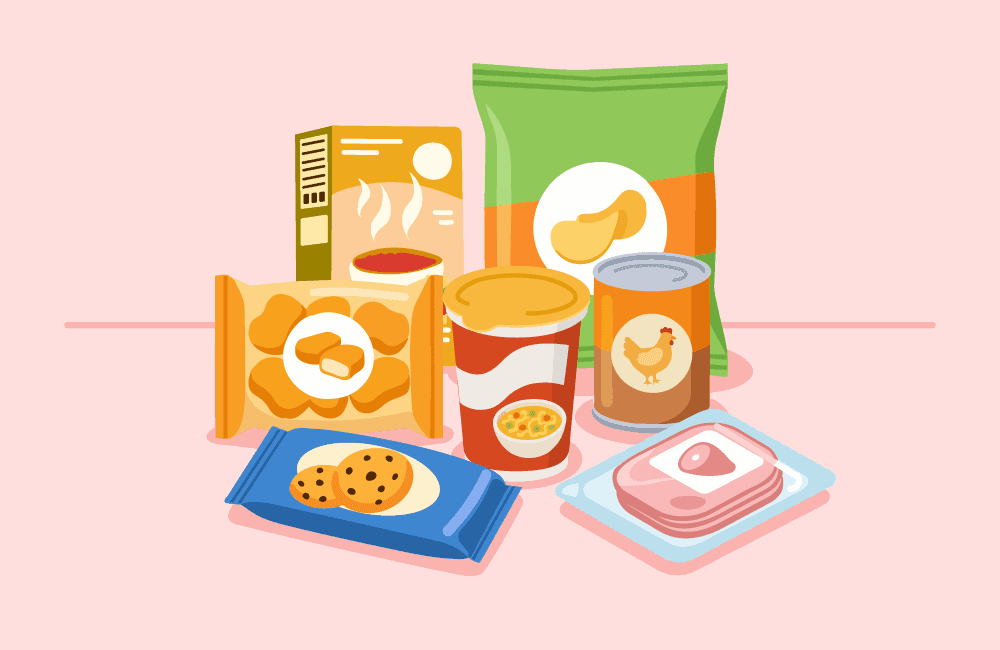
Ultra processed foods are foods that have been significantly changed from their original form through processes such as blending, grinding and reformulation into consistent shapes. They're usually made using ingredients you wouldn't typically find in your pantry at home, such as flavor enhancers, emulsifiers, colorings, sweeteners and preservatives. They're also often high in refined carbohydrates, added fats and added sugars.
A helpful way to identify an ultra processed is to compare what the food started as to what it becomes. For example, corn turned into a sweetened breakfast cereal, or potatoes turned into flavored crisps. In each case, the original food has been heavily modified through mechanical processing and the addition of ingredients that change how it's eaten and how it affects the body.
A practical way to compare similar products is to look at the ingredient list. If two products serve the same purpose, choosing the one with fewer ingredients and fewer colors, flavors, emulsifiers or sweeteners is usually a step towards a less processed option.
Why Can Ultra Processed Foods Make Weight Loss Harder?
Research consistently shows that diets higher in ultra processed foods are associated with poorer health outcomes, including higher body weight, insulin resistance, inflammation and changes in gut health.
While researchers are still learning exactly how these foods affect the body, several factors help explain why ultra processed foods can make staying within a calorie target more difficult.
1. Ultra Processed Foods Can Make It Easier to Eat More Calories
One of the most well known studies on ultra processed foods compared two diets that were carefully matched for calories, fat, carbohydrate, protein, sugar, sodium and fiber. The main difference was that one diet consisted mostly of minimally processed foods, while the other consisted mostly of ultra processed foods.
Participants were allowed to eat as much as they wanted. Those eating the ultra processed diet consumed around 500 extra calories per day on average and gained weight, while those eating the minimally processed diet lost weight.
Researchers found that people naturally ate the ultra processed meals faster and consumed more food before their bodies had time to register fullness.
For weight loss, this means you may find it harder to stay within your calorie target when a large proportion of your diet comes from ultra processed foods. Choosing more minimally processed foods may make it easier to feel satisfied with fewer calories.
2. Ultra Processed Foods Can Be Less Filling
Ultra processed foods are designed to be highly appealing. Many combine the perfect balance of sweetness, saltiness and fat (commonly referred to as the ‘bliss point’), making them easy to keep eating, even when physical hunger has passed.
They're also commonly lower in fiber and have a softer texture due to the processing they go through, meaning they require less chewing and are digested more quickly. Together, these factors can make meals feel less filling and leave you hungry again sooner.
3. Ultra Processed Foods May Affect Gut Health
Many whole foods and minimally processed foods naturally contain fiber, which feeds the beneficial bacteria living in your gut. Ultra processed foods are often lower in fiber and higher in additives, and diets high in these foods have been associated with negative changes in the gut microbiome.
Choosing more fruits, vegetables, legumes and wholegrains supports a healthier gut and may help with long term weight management.
How to Eat Less Ultra Processed Foods
One of the biggest misconceptions about eating less ultra processed food is that it means cooking every meal from scratch or giving up convenience foods altogether.
In reality, many of the ultra processed foods we eat are simply convenient shortcuts that can often be swapped for simpler ingredients without needing to spend much more time in the kitchen.
Take this creamy pasta sauce for example:
Pasta Bake Sauce: Tomato Puree (50%) (Water, Tomato Paste, Tomato), Water, Milk (Water, Milk Powder), Thickeners (1422, Xanthan Gum), Cream Cheese (Milk), Mozzarella Cheese (2%) (Milk), Sugar, Onion, Canola Oil, Parmesan Cheese (Milk), Salt, Garlic Powder, Acidity Regulator (Lactic Acid), Spices, Herbs.
It contains a range of ingredients that help improve texture, flavor and shelf life, including thickeners, sugar and acidity regulators. Instead, you could swap this with a simple tomato passata that's made from tomatoes and salt, then add dried herbs, garlic, a splash of cream and some grated cheese. It takes only a few extra minutes but creates a very similar sauce using simpler ingredients and fewer additives.
Look for Simpler Everyday Alternatives
The same approach can be used with many everyday convenience foods. Rather than avoiding convenience altogether, look for options made with simpler ingredients and less processing where practical. Some examples include:
- Frozen fruit and vegetables, which are picked and frozen quickly, making them just as nutritious as fresh and ready in minutes.
- Canned beans, lentils, chickpeas, tomatoes, tuna and salmon, which often contain only a few simple ingredients.
- Microwave brown rice or quinoa with a short ingredient list for a quick meal base.
- Pre-cut vegetables and salad mixes, replacing any included dressing with olive oil, lemon juice, salt and pepper.
- Plain Greek yoghurt with fresh fruit instead of flavored yoghurt desserts.
- Air-popped popcorn or roasted chickpeas, broad beans or corn instead of flavored potato chips.
Remember, you don't have to find the perfect replacement. If you choose a similar product with fewer ingredients and fewer additives than the one you usually buy, that's still an improvement.
A Simple Challenge
Rather than trying to change everything you eat at once, start with the ultra processed foods you buy regularly. These are the foods where finding an alternative can make the biggest difference because you’ll be making the swap again and again.
Before your next grocery shop, choose one product you buy most weeks, such as a breakfast cereal, cooking sauce, snack or flavored yoghurt.
When you're shopping, compare your usual choice with a few similar products on the shelf. Check the ingredient lists and see if you can find an option with fewer ingredients and fewer additives such as colors, flavors, emulsifiers or sweeteners. You don't need to find a perfect alternative, just one that's less processed and still works for you.
Then keep buying that option and choose another regular product to compare on your next shop. This way, you can gradually reduce how much ultra processed food you eat without having to completely change the meals you make or spend more time cooking.
Key Takeaways
- Ultra processed foods are heavily modified from their original form and often contain ingredients such as flavors, colors, emulsifiers, sweeteners and preservatives.
- Diets high in ultra processed foods have been linked with higher body weight, insulin resistance, inflammation and changes in gut health.
- Ultra processed foods can make weight loss harder by making it easier to eat more calories. In one controlled study, participants ate around 500 more calories per day on an ultra processed diet compared with a minimally processed diet.
- Eating less ultra processed food doesn’t mean cooking everything from scratch. Frozen vegetables, canned legumes, microwave grains and other minimally processed convenience foods can make quick meals easier.
- To reduce your intake, start with the ultra processed foods you buy most often and compare similar products for simpler ingredient lists and fewer additives.
References
- Ultra Processed Foods and Human Health: A Systematic Review and Meta Analysis of Prospective Cohort Studies (2023). doi:10.1016/j.advnut.2023.09.009.
- Ultra Processed Diets Cause Excess Calorie Intake and Weight Gain: An Inpatient Randomized Controlled Trial of Ad Libitum Food Intake (2019). doi:10.1016/j.cmet.2019.05.008.
- Ultra Processed Foods Cause Weight Gain and Increased Energy Intake Associated with Reduced Chewing Frequency: A Randomized, Open Label, Crossover Study (2024). doi:10.1111/dom.15922.
- Ultraprocessed or Minimally Processed Diets Following Healthy Dietary Guidelines on Weight and Cardiometabolic Health: A Randomized, Crossover Trial (2025). doi:10.1038/s41591-025-03842-0.
Related Articles
You Might Also Like
Curated content to explore this topic further