
Can You Target Where You Lose Body Fat?
Not all body fat is the same. Our dietitian explains why where you lose fat matters and what research reveals about the role your diet may play.
What Determines Where You Lose Fat?
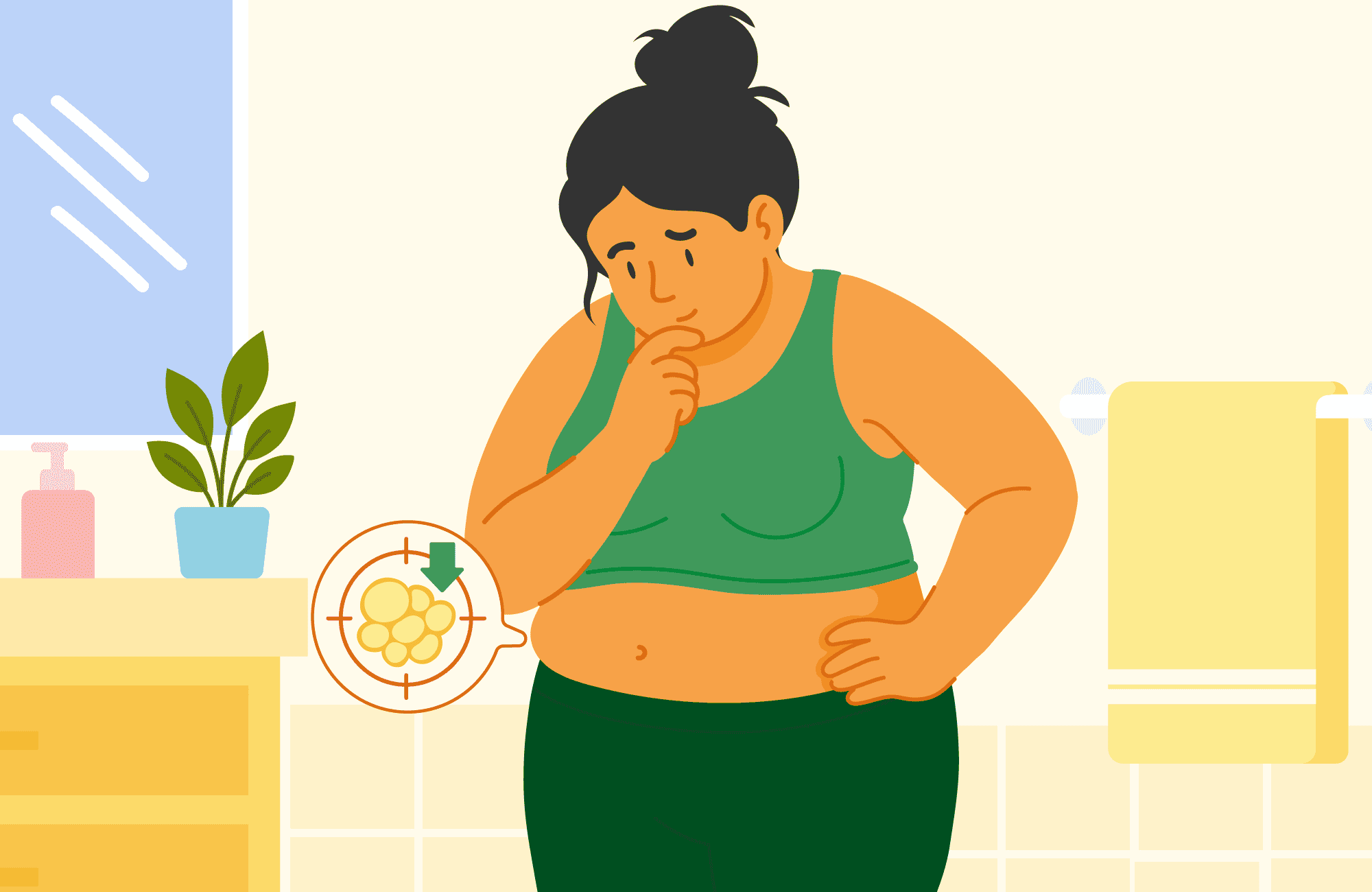
When it comes to weight loss, most of us have preferences on where we want to lose fat, not just how much we lose.
If you've ever tried to lose stubborn belly fat, you've probably heard that you can't "spot reduce" fat. For example, doing more abdominal exercises can strengthen your core muscles, but it won't specifically burn fat in this area.
But while you can't tell your body where to lose fat, it turns out that not all body fat behaves the same way. Understanding the different types of fat may change the way you think about weight loss, the number on the scale and even the type of diet you follow.
Subcutaneous Fat vs Visceral Fat
We tend to talk about "body fat" as though it's all the same. However, where fat is stored in your body can make a significant difference to its effect on your health.
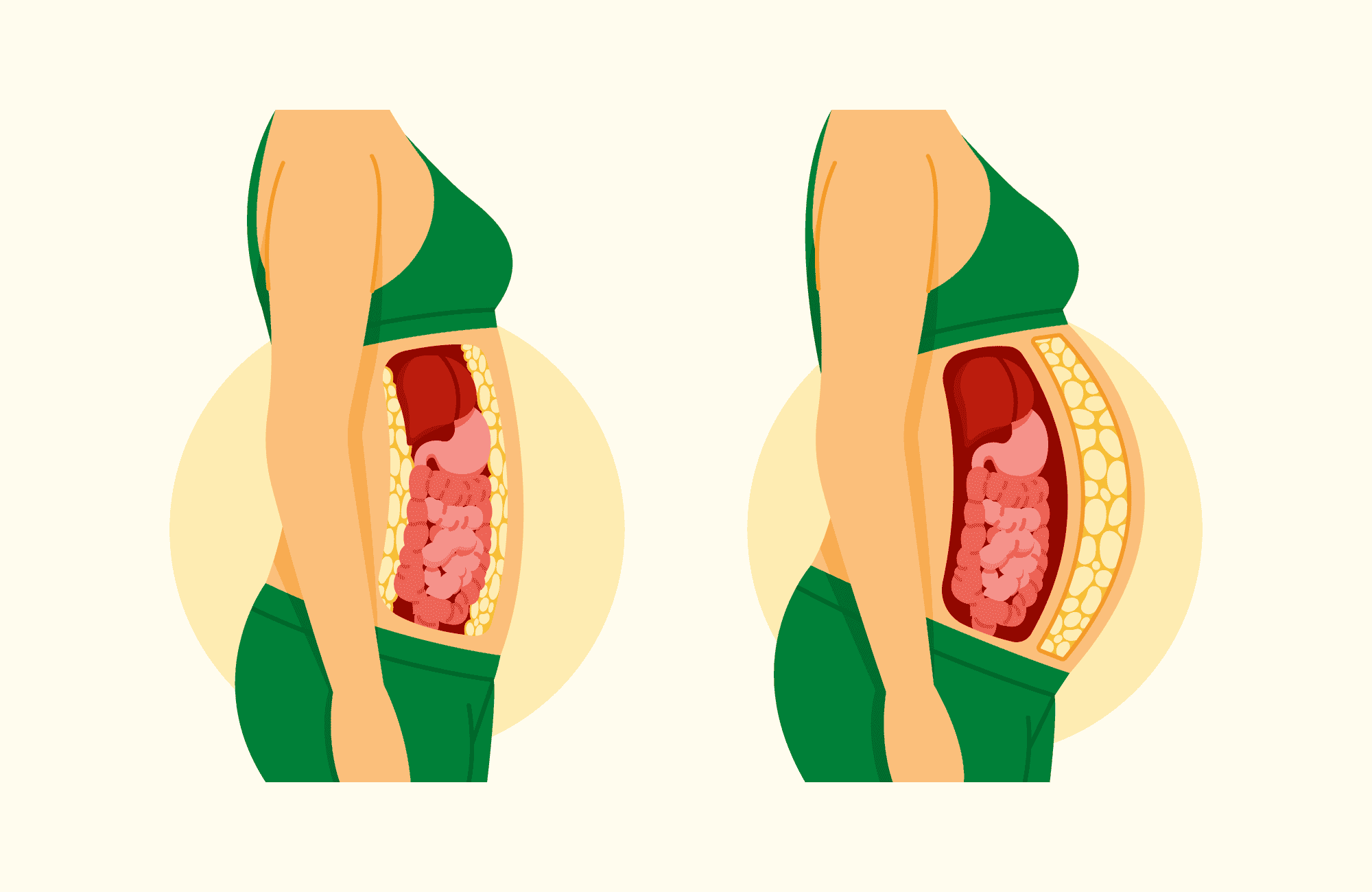
There are two main types of fat stored in your body: subcutaneous fat and visceral fat.
- Subcutaneous fat is the fat stored directly underneath your skin. It’s the softer fat that you can see or pinch.
- Visceral fat is the fat stored deeper inside your abdomen, surrounding organs such as your liver and intestines. It’s the type of fat you can’t see or feel.
While both are forms of stored body fat, visceral fat is more metabolically active. Higher levels of visceral fat are associated with insulin resistance, elevated blood fats, inflammation and an increased risk of cardiovascular disease (1,2).
So, while you might be more aware of the subcutaneous fat you can see in the mirror, reducing the fat you can't see may have a much greater impact on your health.
Can the Type of Diet You Follow Affect Where You Lose Fat?
A recent study compared the effects of a healthy low-carbohydrate diet with a healthy low-fat diet. The study included 609 adults from the DIETFITS weight loss trial who were randomly assigned to follow either diet for 12 months (3).
The healthy low-fat group averaged 57 g of dietary fat per day, while the healthy low-carbohydrate group averaged 130 g of carbohydrates per day. Importantly, neither group was asked to follow an extreme diet. Instead, participants were encouraged to find a healthy low-fat or low-carbohydrate way of eating they could maintain for the long term.
There was no statistically significant difference in overall weight loss between the two groups.
On average, the healthy low-fat group lost 5.3 kg over the 12 months, while the healthy low-carbohydrate group lost 6 kg.
However, when researchers looked at where that fat was being lost from, they found an interesting difference. At six months, the low-carbohydrate group had lost around 1.5 times more visceral fat than the low-fat group. This advantage was sustained through 12 months, although the difference was most pronounced during the first six months of the study.
So, while both diets resulted in a similar amount of weight loss overall, the low-carbohydrate diet appeared to preferentially reduce more of the fat stored deep around the organs.
Why Might a Low Carbohydrate Diet Reduce Visceral Fat?
Visceral fat is metabolically active, which means it may respond more strongly to changes in hormones such as insulin, compared to fat stored under the skin.
Eating carbohydrates raises blood glucose and insulin. Insulin helps move glucose out of your bloodstream and into your cells, where it can be used or stored for energy. At the same time, insulin acts as an ‘off switch’, and tells your body not to use fat as a source of energy, and to instead keep that fat stored. Visceral fat is more responsive to the ‘off switch’ signal from insulin, which explains why a diet which is higher in carbohydrates (and therefore insulin levels) leads to the build up of visceral fat.
In the study above, the lower carbohydrate diet would have reduced the amount of insulin circulating in the blood, and created conditions that made visceral fat more readily available for energy.
This doesn’t mean carbohydrates prevent fat loss. Both groups lost weight and visceral fat, but the lower carbohydrate group lost proportionally more visceral fat. The diets were also moderate rather than extremely low carbohydrate, making the findings more relevant to everyday eating.
What Does a Low Carb Diet Look Like?
The goods news from this study is that the participants weren't following a highly restrictive, low carbohydrate diet for weeks. They followed a relatively moderate approach of 130g carbohydrates per day, for an entire year.
Breakfast: Oats with chia seeds and low fat milk (37g carbohydrates)
Lunch: Green leaf lettuce with tuna, roasted capsicum and three bean mix (19g carbohydrates)
Dinner: Spaghetti with mixed vegetables (broccoli, carrots, corn, cauliflower) and roasted chicken breast (57g carbohydrates)
Snacks: Low fat Greek yoghurt with strawberries (16g carbohydrates)
Total: 129g carbohydrates
As you can see, a diet of about 130g of carbohydrates is a relatively reasonable amount of carbohydrates; allowing you to still include them in your diet to fuel you while still supporting your weight loss goals.
To reduce your total carbohydrates, we recommend:
- Reduce the size of your serves of carbohydrate foods such as bread, rice and pasta and look to swap them with higher fiber, or wholegrain alternatives. The additional dietary fiber will keep you feeling fuller from a smaller portion.
- At meals where you’re reducing your serve of carbohydrates, look for other foods you can increase. You might increase your serve of protein in the meal, or add an extra serving of salad or vegetables.
- Reduce, or ideally eliminate sugary drinks like sodas or fruit juices and replace with water or other sugar free beverages. These drinks can contribute carbohydrates and calories without necessarily keeping you full for long.
These small adjustments to the balance of your plate will ensure you still feel full and satisfied from a smaller serve of carbohydrates.
Try logging a full day of eating in the fatsecret app, or even simply log an estimate of a normal day of eating to see what your carbohydrate intake is for the day. Are there opportunities to try any of the suggestions above?
If You Can't See Visceral Fat, How Do You Know You're Losing It?
Visceral fat isn’t easy to see changing. While scans can measure it, regular imaging isn’t realistic or necessary for most people.
That’s where your waist circumference can help. It doesn’t measure visceral fat directly, but a gradually decreasing waist can be a useful sign that abdominal fat is reducing.
Measure in the same place and under similar conditions each time, and focus on the longer term trend rather than a single number.
Key Takeaways
- Not all body fat is the same. Visceral fat is stored deep around your organs and has a greater impact on your metabolic health than the subcutaneous fat you can see and pinch.
- You can't choose where you lose stubborn belly fat. While you can't target fat loss from a specific area of your body, visceral fat responds well to weight loss and lifestyle changes.
- A moderately lower-carbohydrate diet may offer an additional benefit to losing visceral fat. The research suggests that reducing carbohydrate intake may preferentially reduce visceral fat, without needing to follow an extremely low-carbohydrate diet.
- Look beyond your weight when tracking progress. Changes in waist circumference alongside your longer-term weight trend can give you a better indication of changes in abdominal fat without expensive imaging.
- The approach you can maintain still matters most. Losing excess body fat, staying physically active and following a nutritious eating pattern you can sustain can all help reduce visceral fat and improve your metabolic health.
References
- Associations of Different Adipose Tissue Depots with Insulin Resistance: A Systematic Review and Meta-analysis of Observational Studies (2015). doi: 10.1038/srep18495
- Associations Between Visceral Fat, Abdominal Muscle, and Coronary Artery Calcification: A Cross-Sectional Analysis of the Multi-Ethnic Study of Atherosclerosis (2024). doi: 10.1016/j.amjcard.2024.02.030
- Effect of low-carbohydrate vs low-fat diet intervention on visceral fat estimated from dual energy X-ray absorptiometry in a 12-month randomized controlled trial (2026). doi: 10.21203/rs.3.rs-4926524/v1.
Related Articles
You Might Also Like
Curated content to explore this topic further