Can Chia Seeds Help with Weight Loss?
Chia seeds are packed with fibre, but can they actually help with weight loss?
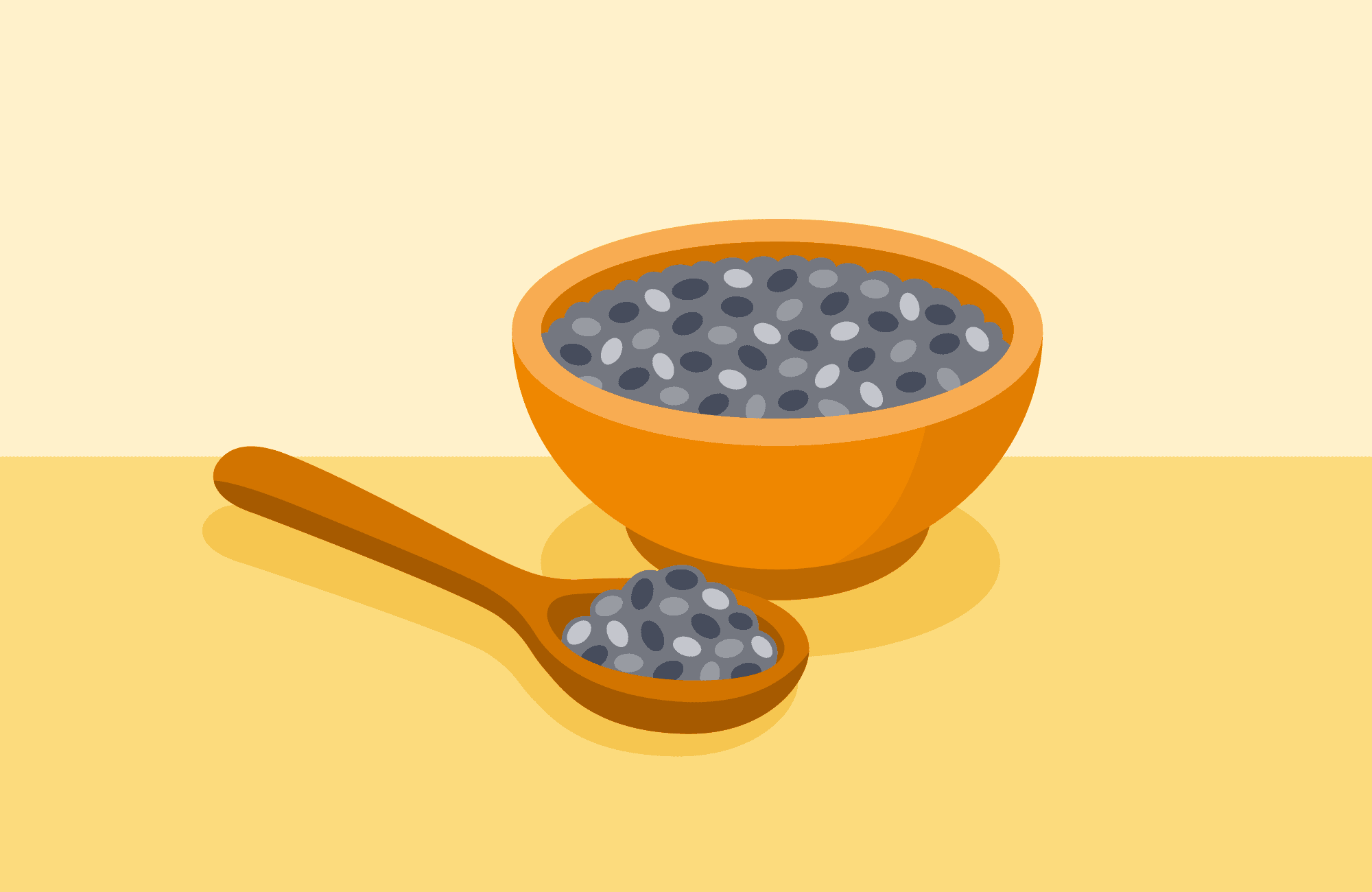
What Are Chia Seeds?
Chia seeds are tiny black or white seeds that come from the plant Salvia hispanica. While they have been eaten for centuries and traditionally used as a staple food in parts of Central and South America, chia seeds have become one of the most popular health foods of the past decade, and for good reason.
Despite their small size, they are packed with fibre, protein, healthy fats and important micronutrients that support overall health. This combination of nutrients is one of the reasons chia seeds are so often recommended for people trying to improve their diet or lose weight.
But can something as small as a chia seed actually make a difference to weight loss?
In this article, we'll explore how chia seeds may support weight loss and simple ways to incorporate them into your meals.
Can Chia Seeds Help with Weight Loss?
Chia seeds can support weight loss, but they don't directly cause weight loss on their own. Weight loss still comes down to consistently consuming fewer calories than your body burns over time. However, what makes chia seeds interesting is that they contain several nutrients associated with improved appetite control and their ability to absorb liquid and slow digestion may also help you feel fuller for longer after eating. For some people, these effects can make it easier to eat fewer calories overall, which is why chia seeds are often included in healthy weight loss diets.
To understand why chia seeds may be beneficial for weight loss, it's worth taking a closer look at their nutritional profile and the key nutrients chia seeds provide.
Fibre
Chia seeds are one of the richest plant-based sources of dietary fibre available. Two tablespoons of chia seeds provide 10 grams of fibre, which is a significant contribution toward your daily fibre intake from a very small serving size. Fibre plays an important role in digestive health, helps promote feelings of fullness after meals and may support weight loss by making it easier to manage hunger throughout the day.
Women are generally recommended to aim for around 25g per day and men around 30g per day, yet average intakes are often much lower. With 10g of fibre per two tablespoons, chia seeds can help you achieve your fiber goals easily.
Protein
Chia seeds are a surprisingly good source of plant-based protein, providing around 2 grams per tablespoon. While chia seeds are not a major source of protein on their own, they can still help contribute to your overall daily protein intake when added to meals and snacks. Protein is known to be one of the most filling nutrients, which is one reason higher-protein diets are often associated with better appetite control.
Omega-3 Fatty Acids
Chia seeds are one of the richest plant-based sources of omega-3 fatty acids. The type they contain must first be converted by the body into the more active forms used most efficiently, meaning not all of it is fully utilized. Even so, chia seeds are still a valuable source of omega-3s, particularly for people who eat little or no fish.
Micronutrients
Chia seeds also provide a range of important micronutrients, including calcium, magnesium, iron and zinc, which all play roles in overall health. They additionally contain antioxidant compounds and plant nutrients associated with anti-inflammatory benefits, which is one of the reasons diets rich in whole plant foods are often linked with better long-term health outcomes.
Why Chia Seeds Are Worth Eating on a Weight Loss Journey
One of the things that makes chia seeds particularly interesting for weight loss is the way they interact with liquid during digestion.
Chia seeds can absorb up to ten times their own weight in liquid! When soaked, they form a thick gel-like consistency. This same process happens in the stomach. When chia seeds are consumed, they form a gel in the digestive tract that slows the rate at which food moves through the stomach.
This slower digestion has two important effects for weight loss:
1. It Can Help You Feel Fuller for Longer
Feeling hungry shortly after meals is one of the biggest challenges people face when trying to lose weight. Foods that are digested quickly tend to leave the stomach faster, allowing hunger to return sooner. Because chia seeds absorb liquid and form a gel-like consistency, they may help slow digestion and prolong feelings of fullness after eating. Rather than digesting quickly and returning to hunger within an hour or two, a meal or snack containing chia seeds is more likely to keep you satisfied for longer. This can make it easier to go longer between meals, reduce unnecessary snacking and better manage your overall calorie intake.
2. It May Help Reduce Blood Sugar Spikes and Crashes
Slowing the movement of food through the digestive tract also helps moderate the rise in blood sugar after eating.
When meals are digested very quickly, blood sugar levels can rise rapidly and then fall again soon afterwards. For some people, these fluctuations can contribute to energy crashes, increased hunger and cravings later in the day.
By helping to slow digestion, chia seeds may support a more gradual rise in blood sugar levels after meals. More stable blood sugar levels can help reduce cravings and make it easier to stick to healthy eating habits over time.
In one study, participants who ate yoghurt containing chia seeds consumed around 25% fewer calories at their next meal compared to those who ate plain yoghurt and reported feeling fuller and less hungry throughout. Something as simple as adding chia seeds to a snack was enough to make a significant difference in how many calories people consumed for the rest of the day (1).
Are Chia Seeds High in Calories?
Like all seeds, chia seeds do contain calories because they provide healthy fats. However, the amount typically consumed is relatively small. A 1 tbsp serving of chia seeds provides 64 calories while also delivering fibre, protein and healthy fats that can help improve satiety. This combination is one reason chia seeds are often considered a nutrient-dense food. Rather than focusing on calories alone, it's worth considering how much nutrition and fullness they provide for the calories they contain.
How Much Chia Seed Should You Eat Per Day?
For most people, one to two tablespoons of chia seeds per day is enough to gain their nutritional benefits. This amount can provide a meaningful boost to fibre intake without dramatically increasing calories.
If you're not used to eating high-fibre foods, it's often best to start with a smaller amount and gradually increase your intake over time. Because chia seeds absorb a large amount of liquid, it's also important to ensure you're drinking enough water throughout the day.
How to Eat More Chia Seeds
One of the biggest advantages of chia seeds is how easy they are to incorporate into everyday meals. They are virtually tasteless, which means they can be added to almost anything without changing the flavor. A small amount goes a long way, too. Just one to two tablespoons per day can make a significant contribution to your daily fibre intake. Some simple ways to include chia seeds in your diet include:
- Stirring them into Greek yoghurt
- Mixing them through overnight oats or porridge
- Blending them into smoothies
- Sprinkling them over cereal, salads or fruit
- Adding them to soups for extra texture and fibre
- Mixing them into pancake or muffin batter
- Stirring them through peanut butter on toast
- Making chia pudding for a higher-fibre snack or breakfast
- Adding them to homemade protein balls or muesli bars
Key Takeaways
- The evidence suggests chia seeds can be a useful addition to a weight loss diet, particularly because of their high fibre content and ability to promote fullness.
- While chia seeds won't directly cause fat loss, they may help reduce hunger, improve appetite control and make it easier to maintain the calorie deficit required for weight loss.
- Combined with a balanced diet and healthy lifestyle, chia seeds are a simple, affordable and versatile food that can support both weight loss and overall health.
- Whether they're added to yoghurt, oats, smoothies or used to make chia pudding, even a small daily serving can make a meaningful contribution to your fibre intake and help you feel more satisfied after eating.
References
- Chia seed (Salvia Hispanica L.) added yogurt reduces short-term food intake and increases satiety: randomised controlled trial (2017). doi: 10.4162/nrp.2017.11.5.412
Related Articles
You Might Also Like
Curated content to explore this topic further