Why You’re Always Hungry (And How to Fix It)
Tired of feeling hungry all the time? Discover practical tips to manage hunger and enjoy lasting fullness.
How to Feel Full and Satisfied From Your Meals
Do you often finish meals and think, “I could easily keep eating,” or find yourself back in the kitchen soon after, looking for something else, even though you just ate? It’s a frustrating feeling, especially when you’re trying to lose weight and feel like you’re always thinking about food.
Feeling satisfied after meals is one of the most important parts of making weight loss feel manageable. When meals actually fill you up, it becomes so much easier to stay consistent without constantly fighting cravings.
But how can you achieve that sense of satisfaction without just eating a larger volume of food?
The key to staying full isn’t just about eating more, but rather being more mindful of the types of foods you’re eating. The right foods and eating habits can help you feel genuinely full, reduce the urge to snack mindlessly and make weight loss more manageable.
Are You Actually Full? Understanding What Fullness Feels Like
It sounds simple, but many of us have trouble recognizing when we’re truly full, often continuing to eat past the point of satisfaction. Understanding what feeling full actually means can be surprisingly tricky, as many of us have lost touch with our body’s natural satiety signals due to stress, busy schedules, or ingrained eating habits.
Over time, it becomes easy to confuse:
“I could keep eating because there’s more there and it tastes good”
with
- “I’m still hungry.”
True fullness should feel like a comfortable satisfaction, where hunger is gone, and you feel energized without being overly full or bloated. However, many people struggle to feel this way after their meals and are never truly satisfied.
If you finish meals and still feel like something’s missing, or you’re scanning the fridge out of habit, it often means your meal wasn’t balanced enough to keep you satisfied.
Nutrition and Fullness: What You Eat Matters
Ever wonder why some big meals leave you feeling satisfied and energized while others leave you still hungry? Feeling full and satisfied from your meals is not just about how much you eat, but also the quality and nutrition of your food. Here are our top tips to feel full and satisfied from your meals.
1. Focus on protein
Protein is one of the most powerful tools for staying satisfied. It slows digestion, keeps blood sugar steadier, and triggers fullness hormones in the brain. If you ever notice you’re hungry again soon after eating toast or cereal, but not after eggs, yoghurt, or chicken, that’s because of the protein.
Simple ways to add protein include:
- Eating eggs or Greek yoghurt at breakfast
- Including chicken, fish, tofu, beans, or lentils at lunch and dinner
- Having a high protein snack throughout the day, like cottage cheese
Including a source of protein in every meal and snack helps maintain a sense of fullness throughout the day, preventing overeating and supporting balanced energy levels.
2. Balance your macros
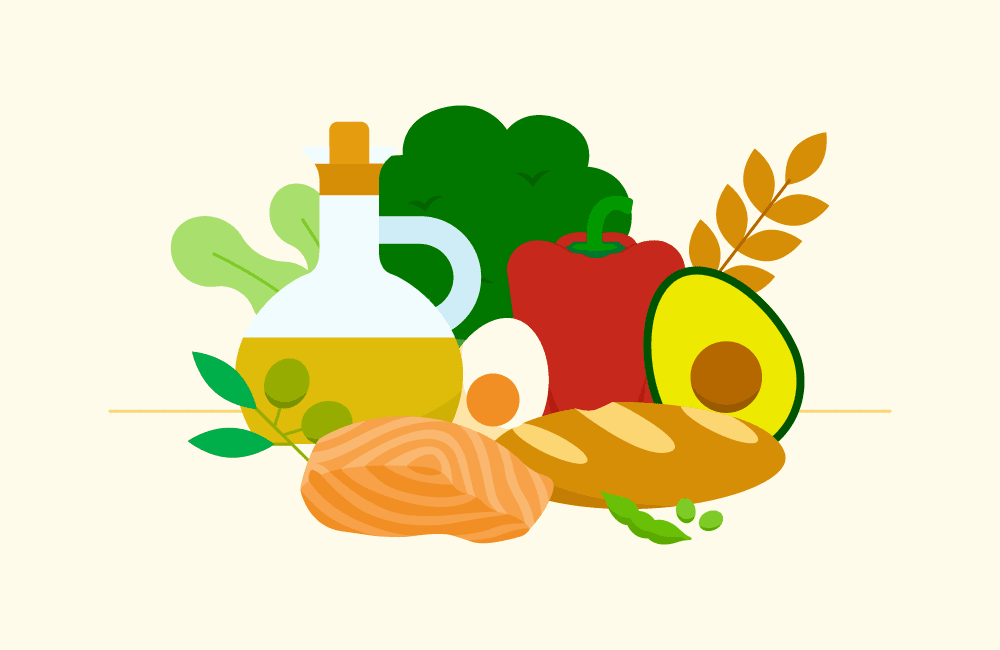
Eating a mix of protein, fats, and carbohydrates in each meal is key to feeling full and satisfied. Each of these macronutrients plays a unique role in promoting satiety and sustaining energy levels. For example, if you have just a plain bagel for breakfast, you might feel hungry again soon. But if you choose whole-grain toast topped with avocado, a scrambled egg, and a side of berries, you’re getting a balance of protein, fiber, and healthy fats. This balanced meal will keep you feeling fuller and more energized for longer.
3. Choose whole foods
Opting for whole, unprocessed foods can make a big difference in how full and satisfied you feel. Whole foods, like fruits, vegetables, whole grains, and lean proteins, are rich in essential nutrients and fiber that promote satiety and help you feel fuller for longer. On the other hand, processed foods, such as chips, cookies, and sugary snacks, are often engineered to be hyper-palatable, making them hard to stop eating. These foods are typically high in empty calories and low in nutrients, leading to overeating without ever feeling truly satisfied.
How You Eat Matters Too
You might be wondering how your eating habits could impact your fullness and satisfaction from your meals. On top of what you eat, how and when you eat can also significantly impact your sense of satiety. Let’s explore how small changes can make a big difference.
1. Eat slowly without distractions
Mindful eating can greatly impact how full and satisfied you feel after a meal. Your body needs time to notice it’s getting full. When you eat quickly, it’s easy to overeat or finish your meal before fullness hormones have kicked in
To eat more mindfully, try:
- Pausing halfway through your meal and check in: “Am I still hungry? Am I starting to feel satisfied?”
- Put your cutlery down between bites to naturally slow your pace
- Eat without distractions where you can, like scrolling on your phone or watching TV
- Notice the taste and texture of your food for a few bites, it brings you into the moment and often increases satisfaction.
Practicing one of these habits once a day can help you feel more satisfied after eating.
2. Eat regularly
How often you eat plays a crucial role in how full and satisfied you feel throughout the day.
To stay satisfied and avoid overindulging:
- Eat regular meals: skipping meals can lead to excessive hunger and cravings.
- Pay attention to hunger cues: don’t wait until you’re starving to eat!
Eating consistently throughout the day keeps energy levels stable and prevents those moments of ”I need food NOW” that lead to overeating.
Key Takeaways
- Feeling full comes from meals that have a mix of protein, fibre, and healthy fats, not just a large portion.
- Adding a source of protein to each meal helps keep hunger steady and makes it easier to stay satisfied.
- Whole foods tend to keep you fuller for longer because they contain fibre and nutrients that support appetite.
- Eating slowly and without too many distractions helps your body recognize fullness, so you finish feeling more satisfied.
- Eating regularly and not waiting until you are starving makes it much easier to choose balanced foods and avoid overeating.
Related Articles
You Might Also Like
Curated content to explore this topic further