How Meal Planning Can Transform Your Weight Loss
Learn three meal-planning methods to feel more in control and stick to your daily calories.
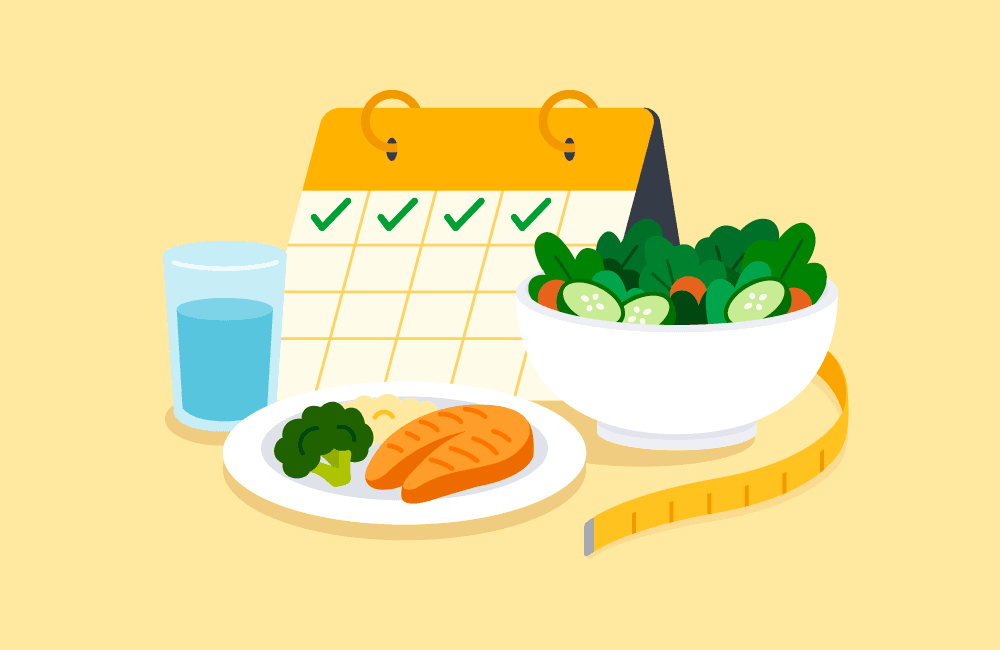
When you’re working towards a weight loss goal, one of the biggest challenges is making the right choice when you’re tired, hungry, or short on time to prepare a healthy meal. Meal planning is one of the best tools to remove this obstacle. When you’re prepared and healthy meals and snacks are available, you’re far less likely to stray from your plan and reach for foods that don’t support your goal.
How to Make Meal Planning Work for You
The idea of meal planning can feel overwhelming. Many people imagine hours of cooking and containers stacked in the fridge. In reality, meal planning just means deciding some of your food in advance so your week runs more smoothly.
You can keep it very simple or make it more structured, and you don’t have to do the same thing every week. The key is choosing a level that feels realistic for your life right now. Even a small amount of planning is far more helpful than none at all.
Below are three flexible approaches, from light planning through to full meal prep. You can move between them depending on how busy you are.
Level 1: Planning Ahead
This is the simplest form of meal planning, and often the most overlooked. It’s just about being a bit more intentional with your food choices before the week starts.
You might plan a full week of meals and snacks, or you might just plan one day at a time. Some people find it easiest to focus only on the meals where they’re most likely to eat on impulse, such as busy weeknight dinners, afternoon snacks, or weekend lunches.
For example, you might decide:
- What you’ll have for dinner on work nights
- A few go-to snacks so you’re not reaching for whatever’s around
- One or two easy lunches you can rotate
You don’t need new or “special” foods. You can still eat the meals you enjoy, the difference is that you’ve already decided what they’ll be and roughly how they fit into your calorie target before hunger kicks in.
Level 2: Ingredient Prepping
The next level up from meal planning is ingredient prepping. This takes it one step further from planning ahead, and means setting aside some time on the weekend to prepare a few meal components for the week. It doesn’t mean you need to prepare full meals in advance, but rather individual ingredients that you can combine in different ways.
This helps meals come together faster on busy days and reduces unplanned choices. Because you already have what you need on hand to create healthy, balanced meals and a clear plan to follow, it’s easier to stay within your daily calories.
In 30–60 minutes, you can prep these items to be more organized and speed up weekday meals:
- Wash, pre-chop, or roast a tray of vegetables
- Marinate or cook one protein option
- Cook a batch of grains or legumes
- Make one simple sauce or dressing to use throughout the week
- Boil eggs; portion overnight oats or yoghurt; cut fruit
- Portion ready-to-go snacks (nuts, veggie sticks, cheese)
With this method, you’re not locking yourself into exact meals, but you’re setting yourself up so that balanced meals are easy to put together when time or energy is low.
Level 3: Full Meal Prep
Meal prepping combines planning, tracking, and preparing complete meals in advance. To do this, you cook and portion full meals into individual containers so they’re ready for you to grab. You can prepare all meals for the week, or just cover the busiest meals or days.
Full prep removes most in-the-moment choices and makes weekdays simpler. It means there’s no daily cooking, less unplanned eating, and no need to log food every day because portions are already set.
You don’t have to prep every meal for the week. Many people find it most helpful to prep just breakfasts and lunches, or a few dinners for their busiest days.
How to get started:
- Pick the meals you’ll prep: will it be breakfasts and lunches only, or 4–5 dinners?
- Plan portions and pre-log to confirm each meal fits your calorie target.
- Cook in batches and portion into single-serve containers.
Although this is the most time-consuming and highest-effort method, it delivers the greatest benefit. It protects your plan during the times you’re most likely to go off track (when you’re tired, short on time, or very hungry), makes it easier to meet your calorie target consistently, and gives you a clear routine you can repeat.
Meal planning is not about being strict or preparing every meal perfectly. It’s simply a way to make your week easier and reduce the moments where you have to rely on willpower. Even a small amount of planning can make a meaningful difference. Whether you decide a few meals ahead of time, prep some basic ingredients, or fully prepare meals for the week, each approach helps you stay more organized and consistent.
Over time, these small systems add up and create a routine that supports your weight loss goals without feeling overwhelming.
Key Takeaways
- Planning helps you make decisions in advance, so it’s easier to stay on track when life gets busy.
- You don’t need to prep every meal. Even planning just the meals you struggle with most can make a noticeable difference.
- Preparing simple ingredients can speed up meals and help you avoid last-minute choices that don’t align with your goals.
- Full meal prep offers structure and convenience, especially on your busiest days, and supports consistent calorie tracking.
- The goal is progress, not perfection. Choose the planning approach that feels realistic for you this week and build from there.
Related Articles
You Might Also Like
Curated content to explore this topic further