How to Prevent Metabolic Rebound
Learn why weight regain can happen after weight loss and the habits that can help you maintain your results long term.
How to Prevent Metabolic Rebound
Losing weight is hard work, but for many people, keeping it off can feel like an even bigger challenge.
If you've ever lost weight only to see the scale gradually creep back up, you might have heard this described as a “metabolic rebound” or even a “damaged metabolism”.
But weight regain doesn’t mean your metabolism is broken. As you lose weight, your body naturally adapts to your changing weight and calorie intake. These changes can affect how much energy you burn and how hungry you feel, making it more challenging to maintain your new weight over time.
The good news is that there are things you can do both during and after weight loss to give yourself the best chance of keeping it off.
Why Is It So Hard to Keep Weight Off?
Weight loss changes more than the number on the scale.
Your body responds to losing weight with changes in energy expenditure, appetite and body composition. These responses vary from person to person, but together they can make it easier to regain weight once your calorie deficit ends.
Understanding what's happening can help you plan for maintenance rather than treating your goal weight as the finish line.
You Naturally Burn Fewer Calories
As you lose weight, your body becomes smaller and generally requires less energy to move and maintain. This means the number of calories that maintained your weight before weight loss may now be more than you need.
This is a normal consequence of becoming lighter rather than evidence that you've damaged your metabolism. It also helps explain why returning to exactly the way you ate before losing weight can result in gradual weight regain.
Your Metabolism May Adapt
During calorie restriction and weight loss, some people experience metabolic adaptation, also known as adaptive thermogenesis.
This means your body may burn slightly fewer calories than would be expected based on changes in your weight and body composition alone. Think of it as your body becoming a little more economical with its energy.
The size of this response varies from person to person and may become smaller after a period of weight stabilisation. It can make continued weight loss or maintenance more challenging, but it doesn't mean your metabolism is permanently “damaged”.
You May Lose Muscle Along With Fat
When you lose weight, not all of the weight necessarily comes from body fat. Some lean tissue can also be lost.
This matters because lean mass contributes to your resting energy expenditure. Preserving as much muscle as possible during weight loss can help support your body composition and energy needs.
Resistance training and getting enough protein are both really useful for helping preserve lean mass while you're in a calorie deficit.
You May Feel Hungrier
Weight loss can also affect the systems that regulate hunger and fullness, increasing the biological drive to eat.
You might notice that you're thinking about food more often, feeling less satisfied after meals or finding foods more tempting than you did before.
This combination of needing fewer calories while potentially feeling hungrier helps explain why maintaining weight loss can be challenging.
Metabolic Adaptation vs Metabolic Rebound: What's the Difference?
These terms are often used interchangeably online, but they don't mean quite the same thing.
Metabolic adaptation is a recognised physiological response to weight loss in which energy expenditure may decrease beyond what we'd expect from changes in body size and composition alone.
Metabolic rebound, on the other hand, isn't a well-defined clinical diagnosis. It's often used informally to describe weight regain after a period of dieting, particularly following rapid or highly restrictive weight loss.
Weight regain is usually influenced by a combination of factors, including lower energy needs, increased appetite, changes in activity and a return to a higher calorie intake.
Can You Prevent Metabolic Adaptation?
You can't necessarily prevent all of the physiological changes that come with losing weight. Some reduction in energy needs is an expected part of becoming lighter.
Instead of trying to stop your metabolism from adapting altogether, focus on losing weight in a way that supports muscle preservation, manages hunger and builds habits you can continue once the diet ends.
Avoid Making Your Diet More Restrictive Than It Needs to Be
It's tempting to think that the fewer calories you eat, the better your results will be.
But an extremely restrictive approach can be difficult to sustain and may make it harder to meet your nutritional needs and preserve lean mass.
Instead, aim for a calorie deficit that allows you to make progress while still eating enough to fuel your day and build eating habits you could realistically continue long term.
You can use the fatsecret app to monitor your calorie intake alongside your weight trend, helping you make adjustments based on your progress rather than continually cutting calories.
Prioritise Protein
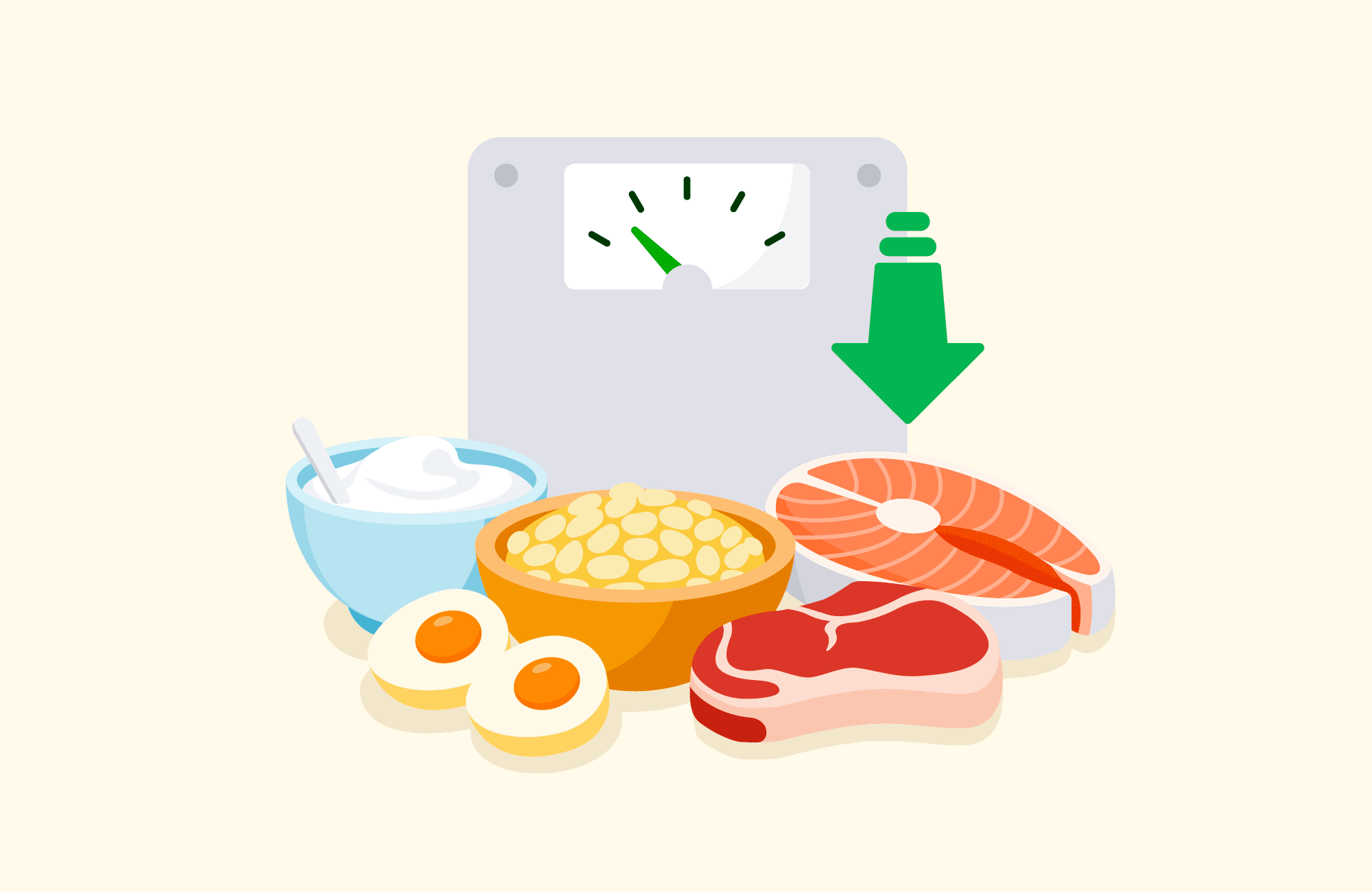
Protein is particularly useful during weight loss because it can help you feel satisfied and support the maintenance of lean mass.
Include a source of protein across your meals and snacks, such as eggs, yoghurt, fish, lean meat, tofu, tempeh, beans or lentils.
You can check how much protein you're getting throughout the day and identify meals where you could add a little more in the fatsecret app.
Include Resistance Training
Cardio is great for your health, but don't forget about strength training.
Resistance exercise can help reduce the amount of lean mass lost during a calorie deficit. You don't need to become a bodybuilder either — weights, machines, resistance bands and body-weight exercises can all contribute.
Keep Moving Outside Your Workouts
Formal exercise isn't the only movement that contributes to how much energy you use each day.
Walking, standing, household tasks and all the little bits of movement you accumulate throughout the day count too.
When you're eating less, you may unconsciously start moving less. Keeping an eye on your general activity, whether that's your daily steps, walks or simply making an effort to move regularly, can help you maintain an active lifestyle during and after weight loss.
What Should You Do Once You Reach Your Goal Weight?
This is where many weight-loss plans end, but it's where your maintenance plan should begin.
Once you've reached the weight you want to maintain, you no longer need to remain in a calorie deficit. Instead, your goal is to find the amount of food that allows your weight to remain relatively stable.
Find Your New Maintenance Calories
Your calorie needs may now be different from when you started.
Rather than immediately returning to your old calorie intake, use your weight trend to help find your new maintenance level.
You can increase your intake from your weight-loss calories and monitor your weight over the following weeks. Day-to-day fluctuations are completely normal, so focus on the overall trend rather than individual weigh-ins.
Tracking your food and weight in the fatsecret app can be particularly useful during this transition, helping you see how changes in your calorie intake relate to your longer-term weight trend.
Do You Need to Reverse Diet After Weight Loss?
You may have heard of reverse dieting, where calories are gradually increased over several weeks after a diet rather than moving directly to estimated maintenance calories.
Despite its popularity online, there's currently limited evidence that slowly adding calories back “repairs” your metabolism or prevents weight regain better than moving to an appropriate maintenance intake.
However, some people may find gradually increasing their calories helpful for working out how much food they need at their new weight.
The important part isn't following a perfect step-by-step reverse dieting protocol. It's finding an appropriate maintenance intake and continuing the habits that supported your weight loss.
What About Weight Regain After Stopping GLP-1 Weight-Loss Medication?
Weight regain can also occur after stopping GLP-1-based weight-loss medications.
These medications influence appetite and food intake while they're being taken. When treatment stops, those effects can diminish, which can make maintaining a lower weight more difficult.
Research following people after stopping semaglutide has found that a substantial amount of lost weight can return. Studies of tirzepatide have similarly found weight regain following treatment withdrawal.
This doesn't mean GLP-1 medications “damage” your metabolism. Stopping a treatment that was helping regulate appetite and body weight can allow some of the biological drivers of weight gain to return.
If you're considering stopping a GLP-1 or another prescription weight-management medication, speak with the healthcare professional managing your treatment rather than trying to counteract potential weight regain through severe calorie restriction.
Habits That Can Make Weight Maintenance Easier
Reaching your goal weight doesn't mean the habits that got you there are no longer important.
Long-term maintenance is less about following a perfect diet and more about continuing the behaviours that helped you lose weight in the first place.
Try to:
- Continue eating balanced meals with plenty of protein and fibre-rich foods.
- Keep resistance training and staying physically active.
- Monitor your weight trend so you can notice gradual changes early.
- If you notice your portions or eating habits starting to change, try logging your food in fatsecret for a few days. This can help you spot small changes before they turn into bigger ones.
- Make small adjustments when needed rather than responding to normal weight fluctuations with an extreme diet.
- Expect your weight to fluctuate. Maintaining your weight doesn't mean staying at exactly the same number every day.
The Bottom Line
Your metabolism isn't “broken” after weight loss, but your body does adapt.
A smaller body needs fewer calories, metabolic adaptation can reduce energy expenditure further in some people, and changes in appetite can make maintaining a lower weight more challenging.
That's why maintaining weight loss starts long before you reach your goal.
Focus on preserving muscle, getting enough protein, staying active and developing eating habits you can realistically maintain. Once you reach your goal, shift your focus from losing to maintaining and use your calorie intake and weight trend to learn what works for your new weight.
Weight maintenance isn't the end of your weight-loss journey — it's the next phase of it.
Related Articles
You Might Also Like
Curated content to explore this topic further