How to Lose Weight with Insulin Resistance
Learn how insulin resistance can influence weight loss and the simple habits that can help support healthier blood sugar levels.
What Is Insulin Resistance?
Insulin is one of the body's most important hormones when it comes to regulating blood sugar.
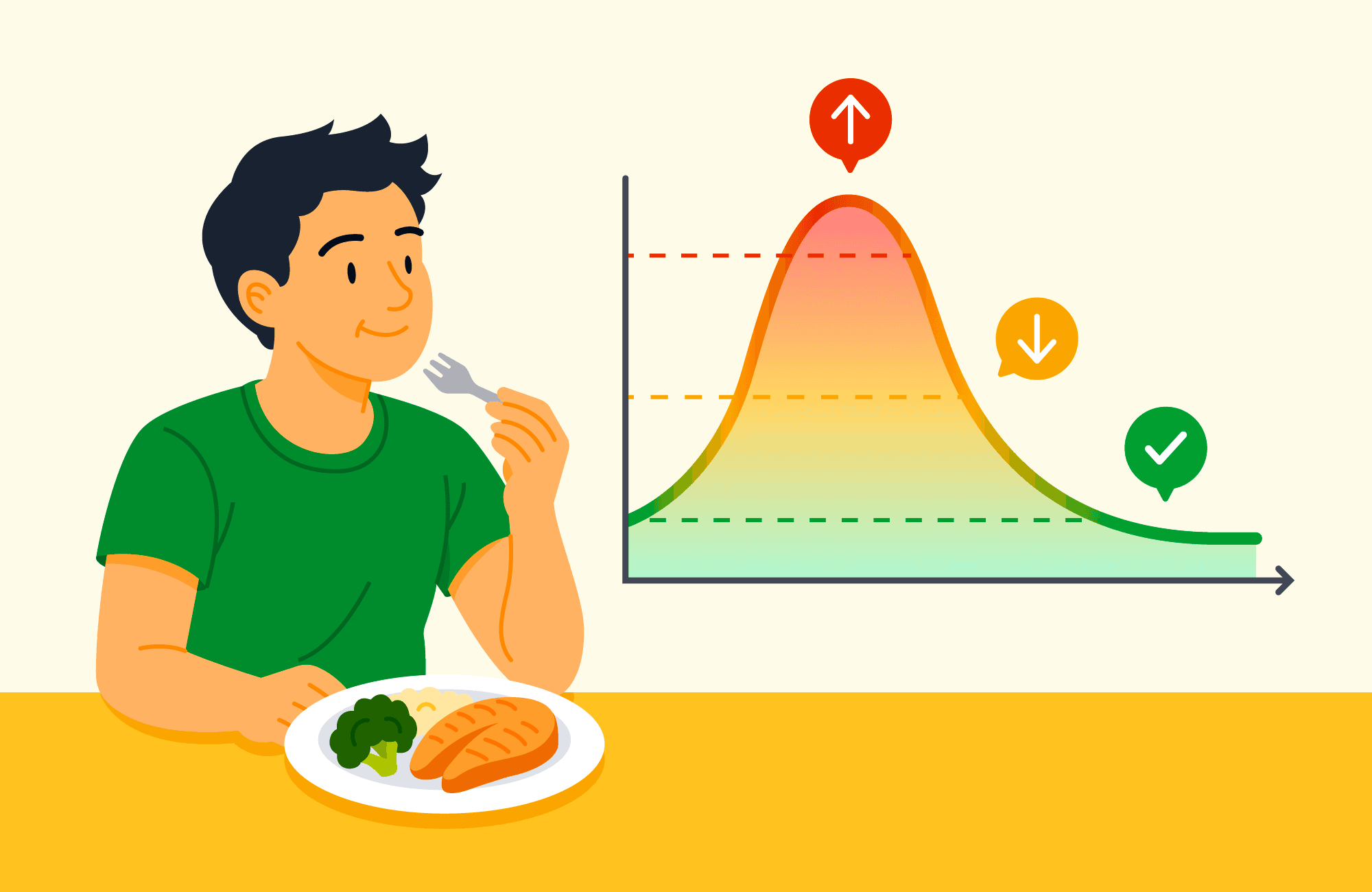
After you eat a meal, your body breaks down the carbohydrates from that meal into glucose, which then enters your bloodstream. In response to detecting glucose in your bloodstream, your body releases insulin, an important hormone that helps move glucose out of the bloodstream and into your cells, where it can be used for energy or stored for later.
For people with insulin resistance, this process doesn't work as efficiently as it should. The body's cells are less responsive to insulin, meaning more insulin is needed to move the same amount of glucose out of the bloodstream and keep blood sugar levels under control.
This can make it more difficult for your body to regulate blood sugar effectively, which can influence hunger, cravings and energy levels, all things that make it harder to lose weight.
In this article, we'll explain why insulin resistance develops, why it can make weight loss feel more challenging and the evidence-based strategies that can help improve insulin sensitivity and support long-term weight management.
What Causes Insulin Resistance?
Insulin resistance typically develops gradually over many years. While genetics can increase your risk, lifestyle factors such as carrying excess body fat, low levels of physical activity, a diet high in processed foods and certain medical conditions can also contribute (1).
Hormonal conditions, including polycystic ovary syndrome (PCOS), are also closely linked with insulin resistance, which is one reason many women with PCOS find weight management more challenging (2). Not everyone with insulin resistance has PCOS, and not everyone with PCOS has insulin resistance, but the two commonly occur together.
Why Is It Harder to Lose Weight with Insulin Resistance?
Many people with insulin resistance struggle to maintain a healthy weight. While insulin resistance doesn't directly stop weight loss from happening, it can create several challenges that make it harder to maintain the habits that support weight loss. These include:
More frequent hunger
When your body's cells don't respond to insulin as effectively, blood sugar regulation becomes less efficient. Instead of providing a steady supply of energy, blood sugar levels may rise higher after eating and then fall more quickly afterward. These fluctuations can leave you feeling hungry again sooner, even if you've recently eaten. Feeling hungry more often can make it harder to stay satisfied between meals and lead to snacking or eating larger portions throughout the day.

Stronger food cravings
People with insulin resistance often experience stronger cravings for carbohydrate-rich and sugary foods. When blood sugar drops after a spike, your body naturally looks for a quick source of energy to bring it back up again. These foods can provide short-term relief, but they don't always keep you satisfied for long. If this pattern happens regularly, it can make it more difficult to stay within your daily calorie target.

Energy dips
Because glucose isn't moved into cells as efficiently in those with insulin resistance, the body may have more difficulty accessing the energy it needs. This can leave some people feeling tired, sluggish or unmotivated.
Lower energy levels can make everyday healthy habits feel more challenging, such as being physically active, preparing balanced meals or sticking to the routines that support long-term weight loss.
How to Manage Insulin Resistance Weight Gain
Insulin resistance doesn't change the fundamental principle that weight loss occurs when you consistently consume fewer calories than your body uses. However, the increased hunger, stronger cravings and lower energy levels that often accompany insulin resistance can make it much harder to maintain that calorie deficit over time.
This is why many people with insulin resistance feel like they're working just as hard as everyone else but finding it more difficult to stay consistent.
Improving insulin sensitivity can help make these habits easier to maintain. Here are 3 simple, evidence-based strategies that can help improve insulin sensitivity and support healthy, sustainable weight loss:
1. Move your body after meals
When you eat, blood sugar levels naturally rise as glucose enters the bloodstream. Taking a short walk after eating encourages your muscles to use some of that glucose for energy, helping move it out of the bloodstream and into the cells where it can be used.
Research suggests that even a light 10-minute walk after meals can help reduce post-meal blood sugar levels (3). If you don’t have time for a walk after eating, interestingly, research suggests that even simple movements, such as repeatedly raising and lowering your heels while seated, may help increase insulin response after eating by up to 60% (4).
While a short walk isn't a substitute for a balanced diet or regular physical activity, it can be a practical strategy to support healthy blood sugar regulation and may help reduce some of the hunger, cravings and energy dips associated with insulin resistance.
2. Choose lower GI carbohydrates
Not all carbohydrates affect blood sugar in the same way. Low glycemic index (GI) foods are digested and absorbed more slowly, resulting in a more gradual rise in blood sugar after eating. This can help reduce the amount of insulin needed to manage blood glucose levels.
A recent meta-analysis found that adults following a low GI diet experienced greater improvements in insulin sensitivity than those following a higher GI diet, suggesting that choosing lower GI carbohydrates may help improve insulin resistance over time (5).
Some examples of lower GI carbohydrate foods include whole oats, lentils and beans, fruits with the skin on, brown rice, milk and yoghurt and grainy or sourdough bread.
Rather than avoiding carbohydrates altogether, aim to choose less processed, higher-fiber carbohydrate foods to help keep blood sugar levels more stable, improve fullness and support insulin sensitivity.
3. Pair carbohydrates with protein and healthy fats
Carbohydrate-rich foods require your body to release insulin to help move glucose from the bloodstream into your cells. When carbohydrates are eaten on their own, particularly highly refined carbohydrates, blood sugar levels can rise more quickly, requiring a larger insulin response.
Pairing carbohydrates with a source of protein and healthy fats slows digestion, allowing glucose to enter the bloodstream more gradually. This reduces the demand for insulin after meals while also helping you feel fuller for longer.
For example, instead of eating an apple on its own, pair it with a small handful of nuts or some cheese. Rather than having plain toast for breakfast, top it with eggs, cottage cheese or peanut butter. If you're having oats, add Greek yogurt, milk or a sprinkle of nuts and seeds instead of eating them with just water. These simple additions can help slow the release of glucose into the bloodstream, reducing the demand for insulin after meals and supporting more stable blood sugar levels.
Key Takeaways
Insulin resistance can make weight loss more challenging, but it doesn't make it impossible. Every step you take to improve insulin sensitivity helps your body manage blood sugar more effectively, reducing the hunger, cravings and energy dips that can make healthy habits for weight loss harder to maintain.
References
- Insulin resistance: mechanisms and therapeutic interventions (2026). doi: 10.1186/s43556-026-00408-5
- Impact of metformin on the clinical and metabolic parameters of women with polycystic ovary syndrome: a systematic review and meta-analysis of randomised controlled trials (2022). doi: 10.1177/20420188221127142
- Positive impact of a 10-min walk immediately after glucose intake on postprandial glucose levels (2025). doi: 10.1038/s41598-025-07312-y
- Non-weight-bearing lower-limb simple resistance activities, soleus push-ups, and muscle stretching: Impact on glycemic control and metabolic–circulatory outcomes (2026). doi: 10.1016/j.dsx.2026.103375
- Effect of dietary glycemic index on insulin resistance in adults without diabetes mellitus: a systematic review and meta-analysis (2025). doi: 10.3389/fnut.2025.1458353
Related Articles
You Might Also Like
Curated content to explore this topic further