Gut Health & Weight Management: How Your Microbiome Affects Your Health
What to eat to improve your gut health and how it can help you reach your weight goals.
Gut Health and What It Means for Your Health and Weight Loss
When most people think about gut health, they think about digestion, but your gut does far more than just break down food. It also influences your metabolism, immune system, mood, and even the way your body responds to the foods you eat. Because of this, the health of your gut can also play a role in weight management, especially when it comes to appetite, cravings, and how efficiently your body uses energy.
With the modern diet often packed with processed foods, added sugars, and artificial additives, it’s easy to disrupt the delicate balance of bacteria in your gut. But by making smart food choices, you can support your gut microbiome and improve your well-being.
Let’s explore what the gut microbiome is, how it impacts your health, and what you can do to keep it thriving.
What is the Gut Microbiome?
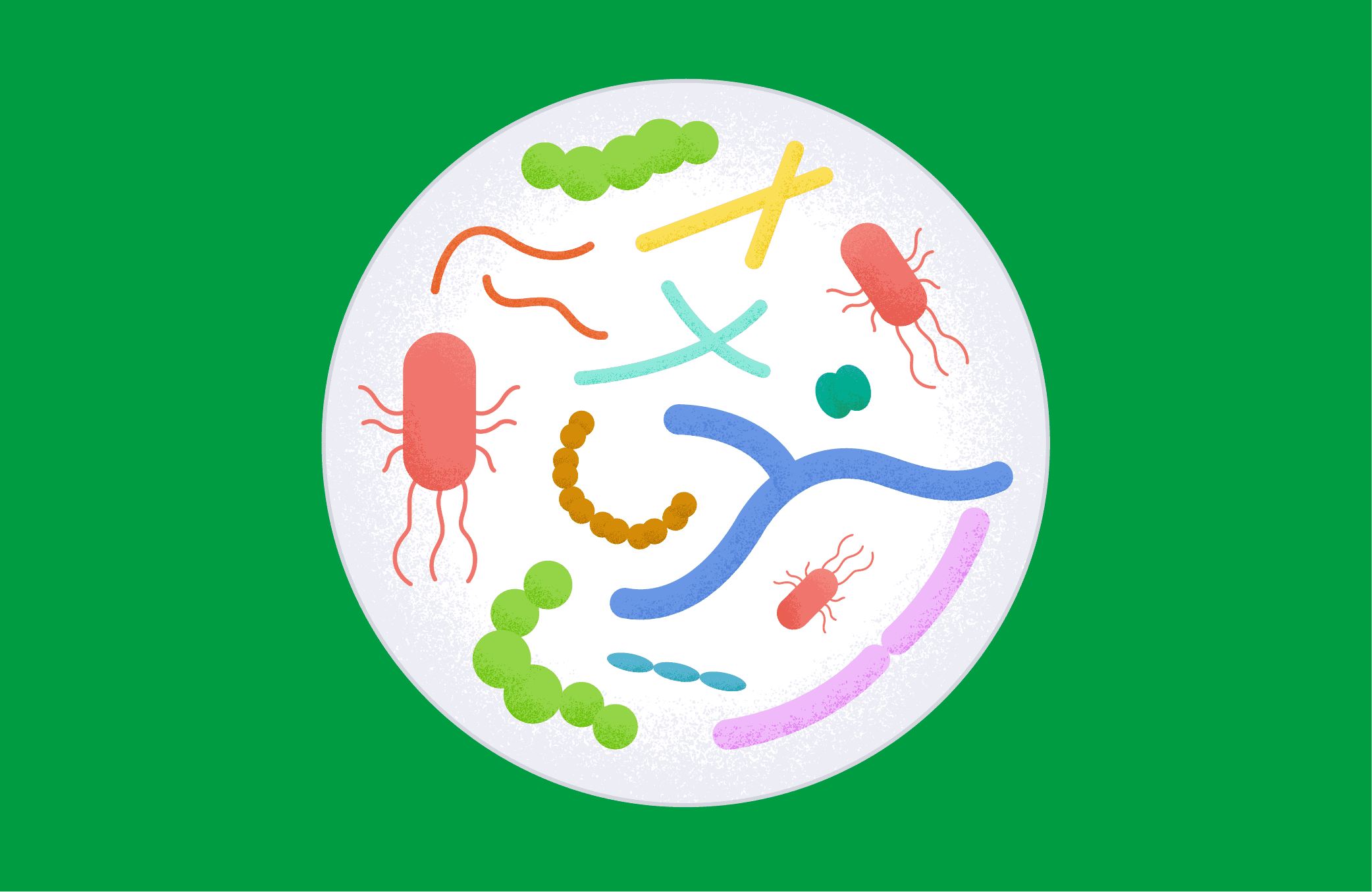
The gut microbiome refers to the community of microorganisms that live in your digestive tract. This includes trillions of bacteria, viruses, fungi, and other microbes that play important roles in the body. Imagine your gut as an ecosystem that’s responsible for maintaining balance and harmony within your body.
How does the gut microbiome affect your health?
Digestion and Nutrient Absorption
The gut microbiome is involved in the breakdown and absorption of nutrients from the foods we eat. It also helps to produce essential vitamins and enzymes that support digestion. Additionally, it acts as a protective barrier, preventing harmful pathogens from passing into your bloodstream (1).
Immune System Support
The gut microbiome has a big influence on our immune system. It interacts with immune cells, training them to differentiate between harmful and harmless substances. A healthy gut microbiome can enhance immunity against infections (2).
Your Gut-Brain Connection
Recent research has discovered that the gut and the brain communicate through a complex network known as the gut-brain axis. The microbiome produces chemicals that can affect mood, cognition, and mental health. This connection also goes the other way, meaning the brain can communicate with the gut microbiome and influence digestion (3).
How the Gut Microbiome Affects Weight Management
Researchers are discovering that gut bacteria play a crucial role in weight regulation. Your gut is home to thousands of different types of bacteria, some beneficial to your health, and some harmful. An imbalance in this bacteria (ie. more harmful bacteria than beneficial) has been linked to challenges in maintaining or losing weight. This is because certain gut bacteria can affect the way our bodies extract energy from food and how we store fat (4). This suggests that maintaining a healthy balance of gut bacteria could be key in managing weight.
What to Eat for a Healthier Gut
Your gut microbiome thrives on fiber-rich, nutrient-dense foods that nourish beneficial bacteria. The best way to support gut health is by including a variety of prebiotic and probiotic foods in your diet, while making other simple swaps to support gut health.
1. Prebiotic Foods: Feeding Your Gut Bacteria
Prebiotics are fiber-rich foods that feed beneficial bacteria, helping them grow and thrive.
- Fruits (bananas, apples, berries)
- Vegetables (onions, garlic, leeks)
- Whole grains (oats, quinoa, brown rice)
- Legumes (lentils, beans, chickpeas)
Tip: Choosing whole-grain varieties of bread, pasta, and rice instead of refined versions adds more fiber, which acts as a prebiotic to support a balanced gut microbiome.
2. Probiotic Foods: Adding More Beneficial Bacteria
Probiotics introduce live bacteria into your gut, helping restore balance and improve digestion.
- Yogurt (look for varieties with live cultures)
- Sauerkraut & kimchi
- Kefir & kombucha
- Miso & tempeh
Tip: Try incorporating fermented foods like kefir, yogurt, or kombucha instead of processed snacks or sugary drinks. These provide probiotics that actively support gut health. Introduce these foods gradually to avoid digestive discomfort. A sudden increase in fiber or probiotics can cause bloating if your gut isn’t used to them.
3. Gut-Friendly Food Choices
Some everyday food choices can negatively impact gut health, but small swaps can make a big difference.
- Opt for baked or air-fried options: Fried foods, often high in unhealthy fats, can be tough on digestion. Baking or air-frying reduces inflammatory oils while keeping meals satisfying.
- Cut back on refined sugar: Excess sugar can disrupt gut bacteria. Choose natural sweeteners like honey or fruit instead, which also provide beneficial nutrients and fiber.
Key Takeaways
- Your gut is essential for overall health. It affects digestion, metabolism, immunity, and even mental health, making it a key player in weight management.
- A balanced gut microbiome supports weight loss. The right balance of beneficial bacteria helps regulate energy extraction from food and fat storage, influencing weight management.
- Prebiotics feed good gut bacteria. Fiber-rich foods like fruits, vegetables, and whole grains help beneficial bacteria thrive, supporting gut health and digestion.
- Probiotics restore balance. Fermented foods like yogurt, kimchi, and kombucha introduce beneficial bacteria to your gut, helping improve digestion and overall balance.
- Small swaps can protect gut health. Opt for baked or air-fried foods instead of fried ones, and reduce sugar intake to prevent disruption of gut bacteria, while choosing more natural sweeteners.
References
- Role of the normal gut microbiota (2015) https://www.ncbi.nlm.nih.gov/pmc/articles/PMC4528021/
- Disruption of the gut microbiome as a risk factor for microbial infections (2013) https://www.ncbi.nlm.nih.gov/pmc/articles/PMC5695238/
- The Gut-Brain Axis: Influence of Microbiota on Mood and Mental Health (2018) https://www.ncbi.nlm.nih.gov/pmc/articles/PMC6469458/
- The Gut Microbiome and Its Role in Obesity (2017) https://www.ncbi.nlm.nih.gov/pmc/articles/PMC5082693/
Related Articles
You Might Also Like
Curated content to explore this topic further