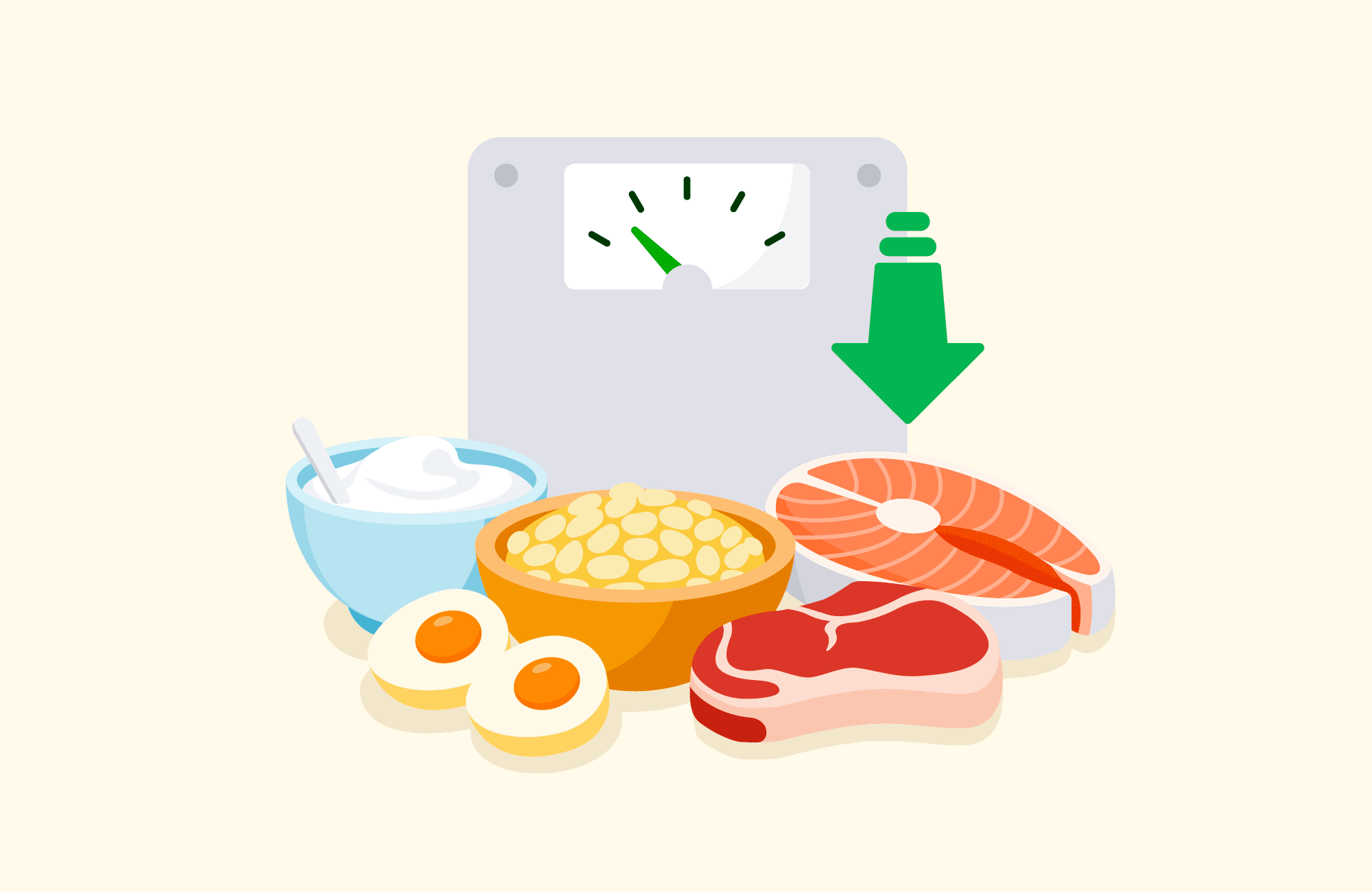
Foods that trigger GLP-1 Release
Discover which foods support your body’s natural GLP-1 release and how to build satisfying meals that keep you fuller for longer.
Foods That Trigger GLP-1 Release Naturally
The GLP-1 hormone has become one of the biggest topics in weight loss, largely thanks to medications that target the GLP-1 hormone pathway. But did you know your body naturally produces GLP-1 too?
Every time you eat, nutrients reaching your gut trigger the release of hormones that help your body respond to the meal. One of these hormones is glucagon-like peptide-1, better known as GLP-1.
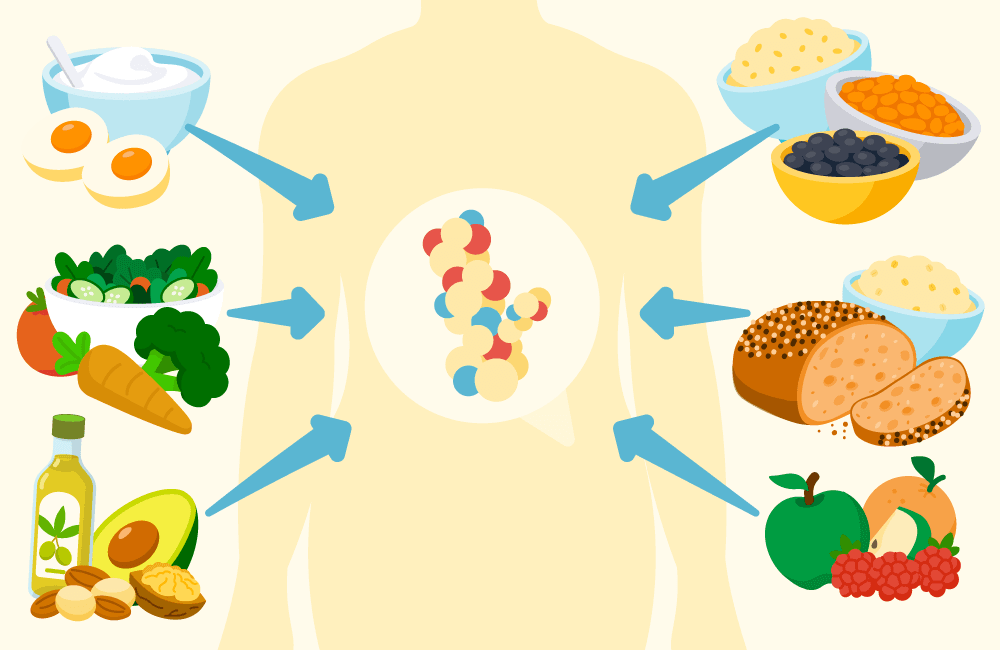
Certain nutrients, including protein, fats, carbohydrates and fibre, can influence this response. And while no food will have the same effect as a GLP-1 medication, choosing foods that support your body's natural satiety signals can help you build meals that leave you feeling fuller and more satisfied.
What Is GLP-1?
GLP-1 is a hormone produced primarily in your gut and released in response to eating.
It has several roles in the body, including helping regulate blood glucose by stimulating insulin release when glucose levels rise. It also plays a role in appetite and satiety.
This is one reason the GLP-1 hormone has attracted so much attention in weight management.
GLP-1 receptor agonist medications work by mimicking the effects of the body's natural GLP-1 hormone. However, the GLP-1 your body releases after eating is broken down quickly, so increasing natural GLP-1 through food isn't equivalent to taking a GLP-1 medication.
Still, understanding which foods help stimulate your natural satiety signals can be useful when your goal is to manage hunger and build a sustainable eating pattern.
What Foods Trigger GLP-1 Release?
There isn't one magic “GLP-1 food”.
Carbohydrates, fat and protein can all stimulate GLP-1 release after eating. Research has also explored how particular types of protein, fatty acids and fermentable fibres (the kinds gut bacteria break down) influence GLP-1 secretion.
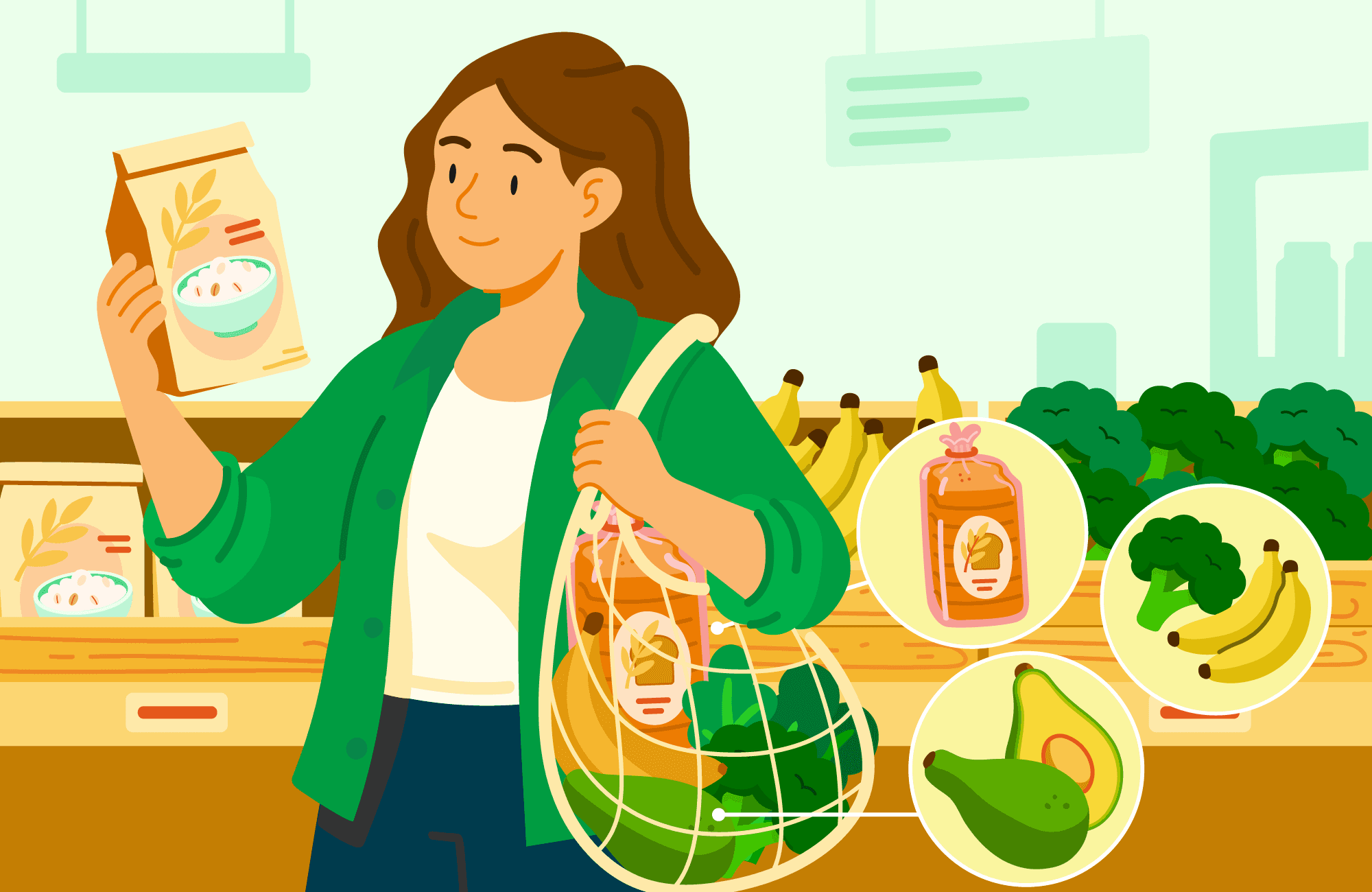
Instead of focusing on one individual ingredient, build meals around nutrient-dense whole foods that provide protein, fibre and healthy fats.
Here are some great options to include.
1. Protein-Rich Foods
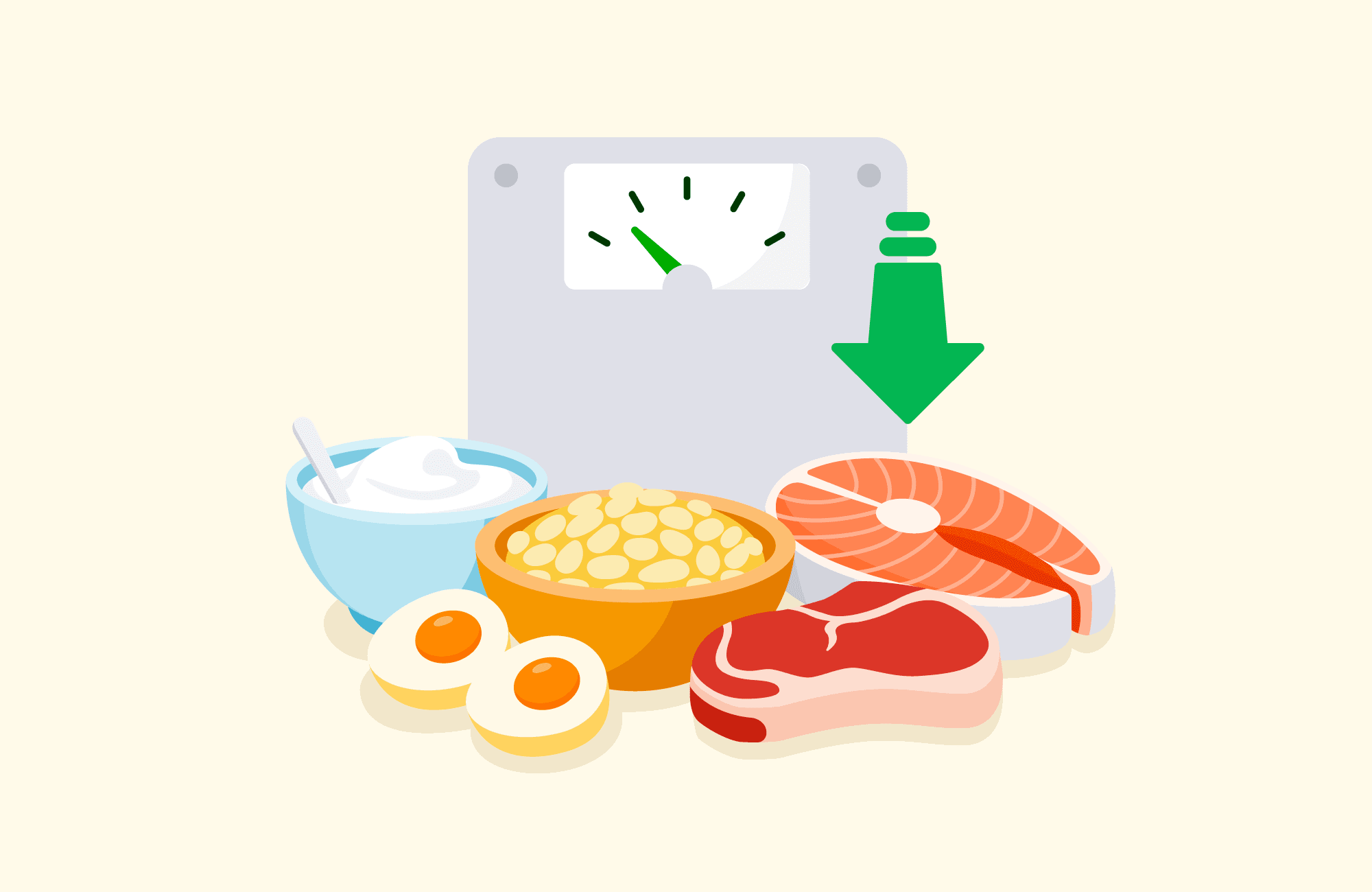
Protein is one of the most useful nutrients to focus on when you're trying to make meals more satisfying.
Research has found that eating protein can increase the release of GLP-1 and other hormones involved in appetite regulation, while also helping reduce hunger (1).
Good protein-rich options include:
- Eggs
- Greek yoghurt
- Cottage cheese
- Chicken and turkey
- Fish and seafood
- Tofu and tempeh
- Beans, chickpeas and lentils
Protein also helps maintain muscle mass, which is particularly important when you're losing weight.
Tip: Rather than leaving protein until dinner, include a source at breakfast and lunch too. Greek yoghurt with fruit at breakfast or adding chicken, tofu, beans or eggs to lunch can make a meal much more satisfying.
2. High-Fibre Foods
Fibre can support fullness in several ways.
Some types of fibre add bulk to meals, while others slow digestion or are fermented by bacteria in your large intestine. This fermentation produces short-chain fatty acids, which may interact with the cells responsible for releasing appetite-regulating hormones, including GLP-1.
High-fibre foods to include regularly:
- Oats and other whole grains
- Beans, chickpeas and lentils
- Vegetables
- Fruit
- Nuts and seeds
Tip: You don’t need to overhaul your diet to eat more fibre. Start by adding to meals you already enjoy, or swapping a few everyday foods:
- Add: At your next meal, add a handful of beans or lentils to your soup, salad or stir-fry, or top your breakfast with berries or a sprinkle of seeds.
- Swap: Upgrade your choices by swapping white rice for brown rice, or white bread for high-fibre bread.
Increase your fibre intake gradually rather than all at once, and drink plenty of fluids. This can be particularly helpful if you’re prone to bloating or digestive discomfort.
3. Healthy Fats
Fat also stimulates hormones involved in satiety, including GLP-1.
Healthy unsaturated fats can be found in foods such as:
- Avocado
- Nuts
- Seeds
- Extra virgin olive oil
- Oily fish
These foods are nutritious and can make meals more satisfying, but fats are also calorie dense.
Tip: If weight loss is your goal, you don't need to avoid them. Instead, be mindful of portions and log them in fatsecret to see how they fit within your calorie target.
A drizzle of olive oil, a small handful of nuts or some avocado can go a long way.
4. Beans, Lentils and Chickpeas
Legumes deserve a special mention because they tick several boxes at once.
Beans, lentils and chickpeas provide both protein and fibre, making them a useful addition to satisfying meals.
Legumes to include regularly:
- Beans, such as black, kidney, cannellini or baked beans
- Lentils
- Chickpeas, including hummus
- Edamame
- Split peas
Tip: Legumes are versatile, so they’re easy to work into meals you already enjoy:
- Add: At your next meal, add chickpeas to a salad, lentils to a soup or curry, or beans to tacos and grain bowls.
- Swap: Try replacing half the mince in dishes like bolognese, chilli or tacos with lentils or beans.
If legumes tend to leave you feeling bloated, start with a smaller serving and increase it gradually as tolerated.
5. Whole Grains
Whole grains such as oats, barley and wholegrain bread provide fibre alongside carbohydrates and other nutrients.
Compared with more refined alternatives, higher-fibre whole grains can be particularly useful when you're trying to build meals that keep you satisfied for longer.
Try oats topped with Greek yoghurt and berries for breakfast, add barley or quinoa to soups, snack on lightly salted popcorn, or choose a higher-fibre wholegrain bread for sandwiches and toast.
What About Low-Calorie Foods That Keep You Full?
GLP-1 is only one part of appetite regulation.
If your goal is weight loss, foods that provide plenty of volume for relatively few calories can also be incredibly useful.
Fruit and vegetables contain lots of water and fibre, meaning you can eat a generous portion without necessarily adding a large number of calories to your meal.
Think:
- Berries
- Apples and oranges
- Leafy greens
- Broccoli and cauliflower
- Zucchini
- Capsicum
- Tomatoes
- Soups packed with vegetables
Combining these high-volume foods with protein can be particularly effective for creating satisfying meals without blowing your calorie budget.
For example, rather than simply making your dinner smaller when you're trying to lose weight, keep a generous serving of vegetables on the plate alongside your protein source and an appropriate portion of carbohydrates and healthy fats.
Can Foods That Increase GLP-1 Reduce “Food Noise”?
“Food noise” is a relatively new term used to describe persistent or intrusive thoughts about food.
It's become particularly popular alongside GLP-1 medications, with some people reporting that these medications reduce how frequently or intensely they think about food.
However, food noise is still an emerging area of research, and we don't yet have good evidence that eating particular foods can simply “turn it off”.
What food can do is help you manage physical hunger.
Building meals around protein, fibre and nutrient-dense whole foods can help make your meals more satisfying. And if you're genuinely satisfied after eating, you may find it easier to manage hunger and the urge to snack between meals.
It's an important distinction: a satisfying diet can support appetite regulation, but there's no individual food that acts as a natural appetite suppressant in the same way as medication.
How to Build a Meal That Keeps You Fuller for Longer
Rather than trying to find one food that maximises GLP-1, think about how the different parts of your meal work together.
A simple place to start is to include:
A source of protein: chicken, fish, eggs, yoghurt, tofu, tempeh or legumes.
A high-fibre carbohydrate: whole grains, oats, beans, lentils or wholegrain bread.
Plenty of vegetables or fruit: for fibre, nutrients and volume.
A small amount of healthy fat: nuts, seeds, avocado or olive oil.
For example, a bowl with chicken, brown rice, roasted vegetables and avocado provides protein, fibre, carbohydrates, healthy fats and plenty of food volume.
You can then log your meal in the fatsecret app to see how the calories and nutrients fit into your overall day.
Snack Ideas to Support Your Natural GLP-1 Release
The foods covered above don’t just belong at mealtimes. Protein, healthy fats and fibre can all play a role in GLP-1 release, so combining them in your snacks can help you stay satisfied until your next meal.
Rather than choosing a snack based purely on how few calories it contains, try pairing a source of protein or healthy fat with a source of fibre:
- Greek yoghurt with berries: protein from the yoghurt, fibre from the berries
- An apple with peanut butter: fibre from the apple, protein and healthy fats from the peanut butter
- Hummus with vegetable sticks: protein and fibre from the chickpeas, plus extra fibre from the vegetables
- Roasted chickpeas: protein and fibre in one easy snack
- A boiled egg with a piece of fruit: protein from the egg, fibre from the fruit
- A small handful of nuts with fruit: healthy fats, protein and fibre
If you often find yourself reaching for something sweet in the afternoon, a snack that combines protein and fibre may keep you more satisfied than trying to ignore your hunger until dinner.
The Bottom Line
Your body naturally releases the GLP-1 hormone when you eat, and protein, carbohydrates, fats and fibre can all influence the gut hormones involved in appetite and satiety.
But you don't need to chase one particular “GLP-1 boosting” food.
Instead, focus on building meals around protein and fibre-rich whole foods, include plenty of fruit and vegetables for volume, and add healthy fats in portions that work with your calorie needs.
These foods won't replicate the effects of GLP-1 medications or magically switch off your appetite. What they can do is help you create satisfying, nutritious meals that make managing hunger, and your weight-loss goals a little easier.
References
- van der Klaauw, A. A., Keogh, J. M., Henning, E., Trowse, V. M., Dhillo, W. S., Ghatei, M. A., & Farooqi, I. S. (2013). High protein intake stimulates postprandial GLP1 and PYY release. Obesity, 21(8), 1602–1607. https://doi.org/10.1002/oby.20154
- Hira, T., Trakooncharoenvit, A., Taguchi, H., & Hara, H. (2021). Improvement of glucose tolerance by food factors having glucagon-like peptide-1 releasing activity. International Journal of Molecular Sciences, 22(12), 6623. https://doi.org/10.3390/ijms22126623
Related Articles
You Might Also Like
Curated content to explore this topic further